
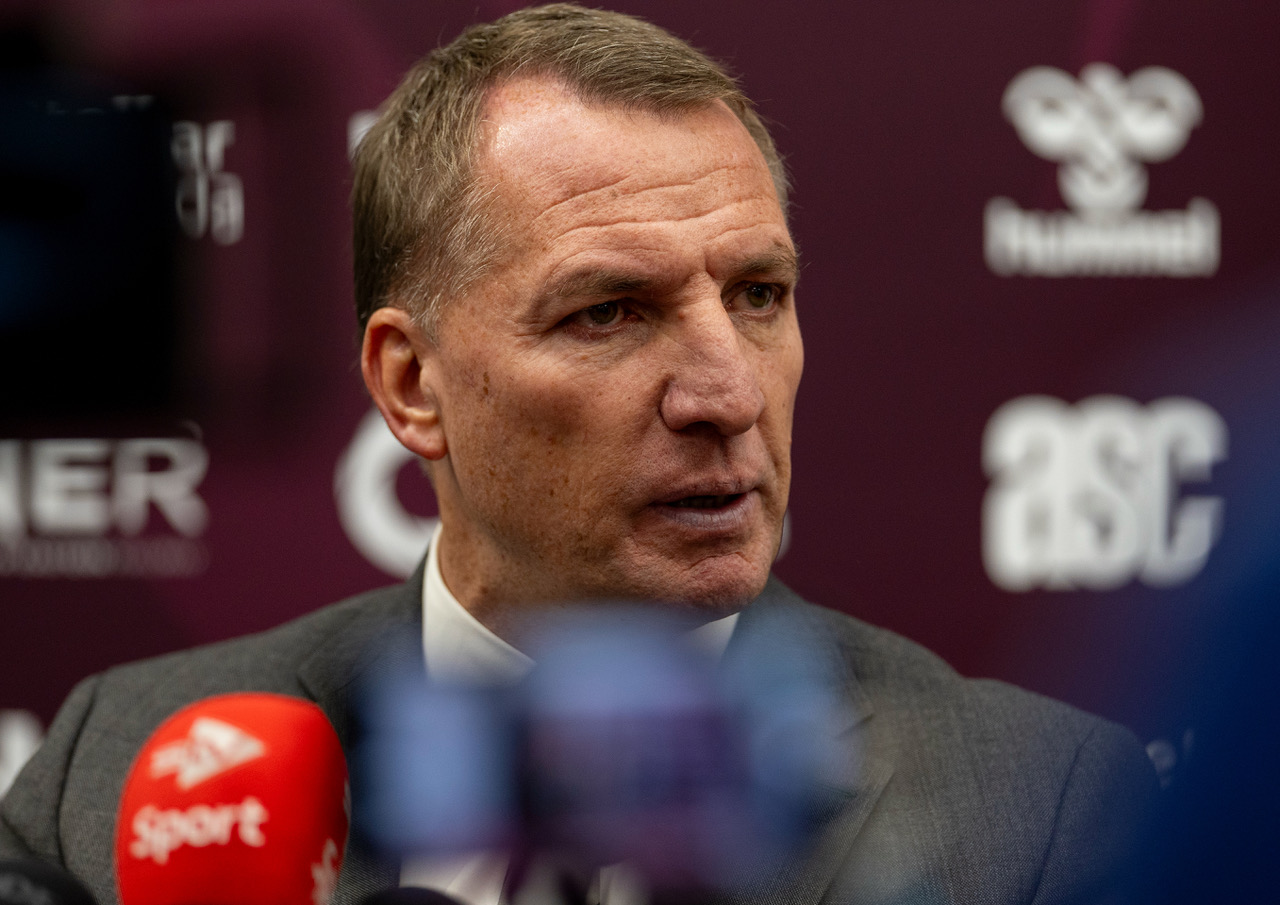
Brendan Rodgers’ second spell as manager of Celtic, which began in June 2023, had initially produced domestic dominance, but the 2025/26 season quickly became turbulent and ultimately ended in his abrupt resignation in late October 2025…
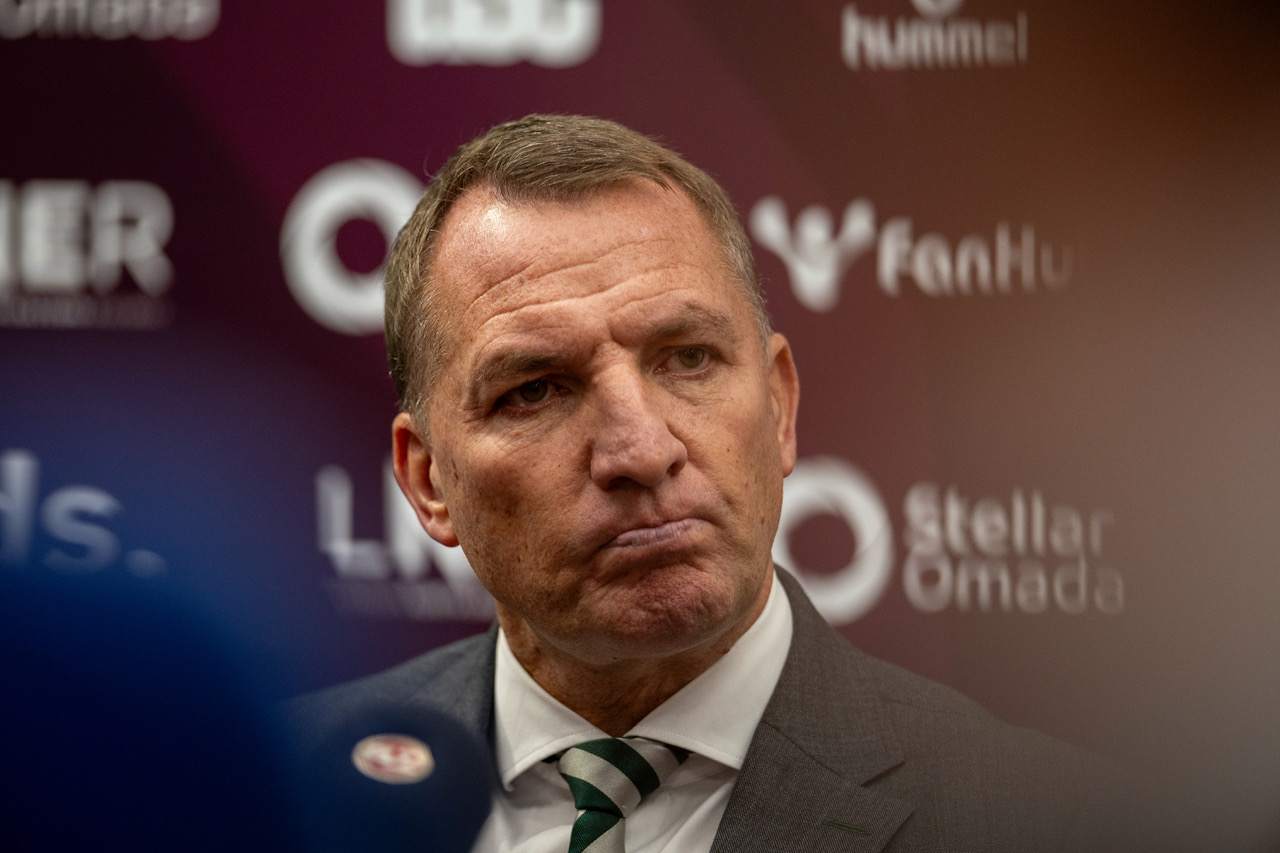
Brendan Rodgers talks to the media after the match. Hearts v Celtic, 26 October 2025. Photo Vagelis Georgariou (The Celtic Star)
Rodgers entered the 2025/26 campaign on the back of significant success. Celtic had won consecutive Scottish Premiership titles in 2023/24 and 2024/25, reasserting themselves as Scotland’s leading side. However, despite that domestic strength, warning signs were already evident as the 2025/26 got underway.
European performances became a real case for concern when crucially, in August 2025 Celtic failed to qualify for the UEFA Champions League after a shock play-off defeat to FC Kairat. This failure not only had huge financial implications but also increased scrutiny on both Rodgers’ tactics and Celtic’s recruitment strategy led by CEO Michael Nicholson.
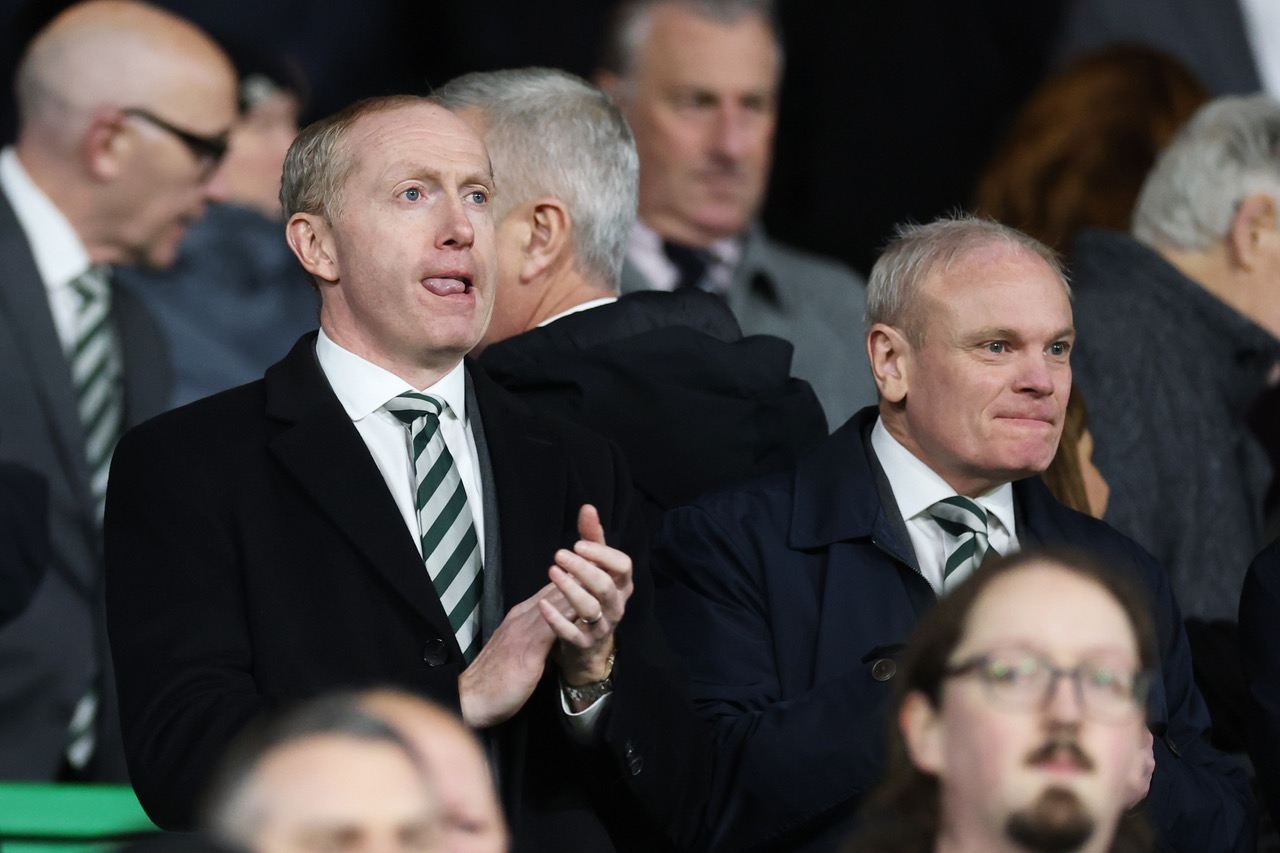
Michael Nicholson, Celtic CEO and Chris McKay, Celtic CFO, look on from the stands during the UEFA Europa League 2025/26 League Phase MD3 match between Celtic FC and SK Sturm Graz at Celtic Park on October 23, 2025. (Photo by Ian MacNicol/Getty Images)
The early months of the league season compounded these issues after the Board appeared reluctant to unlock the PLC’s multi-millions in reserve, backing Rodgers with a transfer budget that felt like loose change. For context on just how far that money doesn’t stretch in modern football, even a Nintendo store card on Eneba offers gamers more purchasing power and flexibility than Celtic’s recruitment budget appeared to allow their manager. Celtic struggled to find consistency, and by late October they had slipped to second place in the Scottish Premiership, trailing leaders Hearts by eight points. A decisive moment came with a 3–1 defeat to Hearts at Tynecastle, which turned out to be Rodgers’ final match in charge of the club he supports. That result left the champions with back-to-back league defeats and mounting pressure from supporters and mainstream media alike.
Beyond results, a deeper breakdown in relationships within the club played a crucial role in his departure. Throughout the summer and early autumn, Rodgers had publicly expressed dissatisfaction with Celtic’s transfer activity, suggesting that the squad had not been sufficiently strengthened.
These comments contributed to growing unrest among supporters, some of whom directed protests toward the club’s board who had failed to replace striker Kyogo Furuhashi, who left the club in January 2025. This public airing of grievances created a visible rift between the manager and the club hierarchy.
The situation escalated dramatically in the days surrounding his exit. Rodgers formally offered to resign on 27 October 2025, with the club immediately accepting his decision. However, the tone of the aftermath suggested that this was far from an amicable separation.
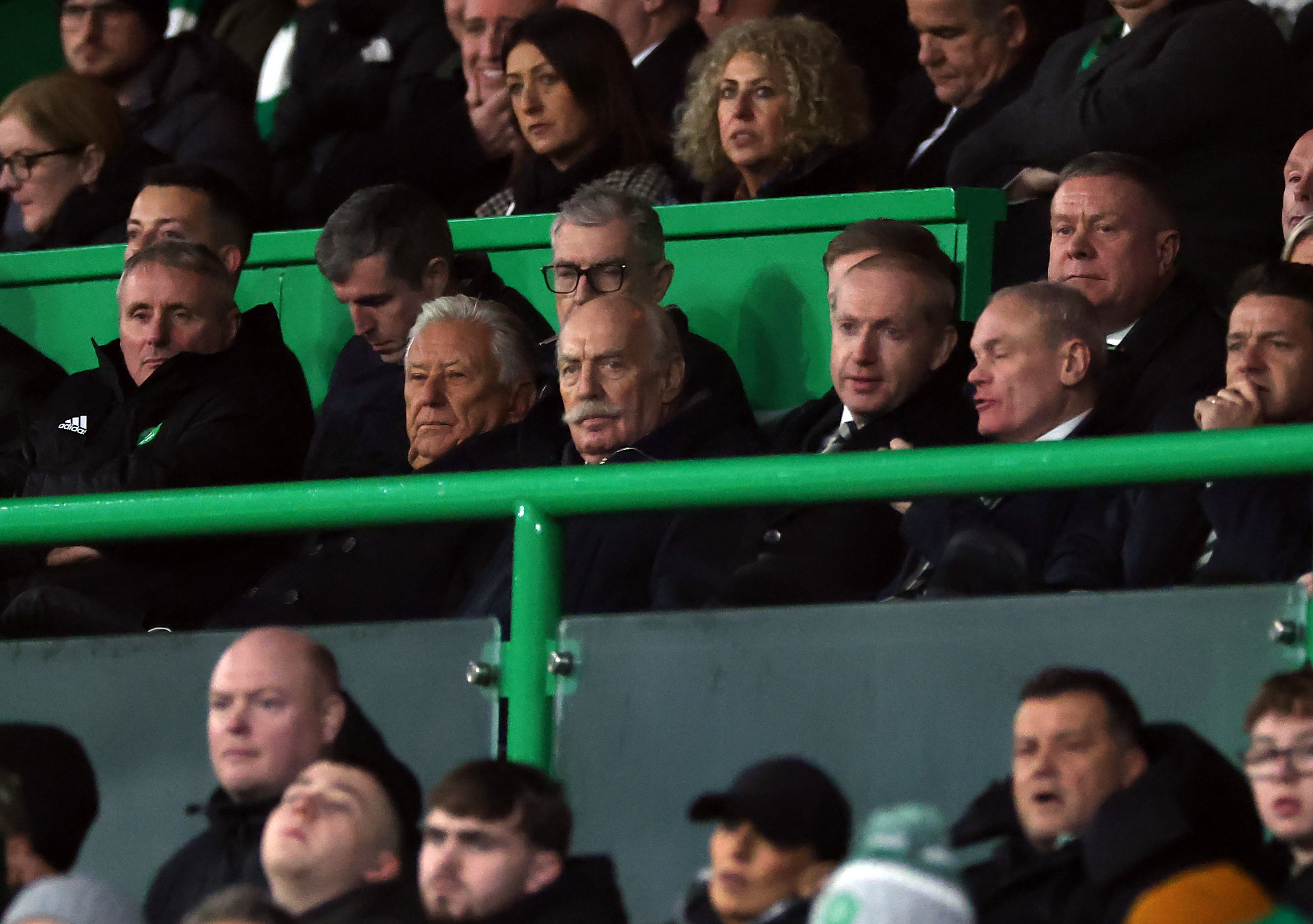
Celtic Chairman Peter Lawwell, Dermot Desmond, largest shareholder and Michael Nicholson CEO are seen during the Scottish Premiership match between Celtic and Falkirk at Celtic Park on October 29, 2025. (Photo by Ian MacNicol/Getty Images)
Celtic’s majority shareholder, Dermot Desmond, issued an unusually strong and public criticism of Rodgers, accusing him of “self-serving” behaviour and of undermining the club despite receiving full backing and even discussions over a contract extension.
Desmond also claimed that Rodgers’ conduct had contributed to a “toxic” atmosphere, highlighting a severe breakdown in trust between manager and board. The Celtic support in the main reckoned that the toxity was coming from one source only and that was from Desmond and his yes men in the Celtic Boardroom.
Thus, while Rodgers technically resigned, the circumstances resembled a constructive dismissal: poor results, strained internal relationships, and public criticism from senior figures combined to make his position untenable. His earlier assurances in 2023 that he would see out his contract only added to the sense of a dramatic and unexpected collapse in relations.
In footballing terms, the 2025/26 season under Rodgers was brief and disappointing. Tactical questions persisted from previous European failures, recruitment issues left the squad arguably weaker than rivals, and domestic form dipped at a critical stage. Off the pitch, his communication strategy—particularly public criticism of the board—proved damaging, isolating him from key decision-makers as he sought to assemble a squad that could compete in European football particularly at Champions League level. That however costs money and the Celtic Board, hoarding some £77m in the bank, simply did not wish to spend it on mere footballers.
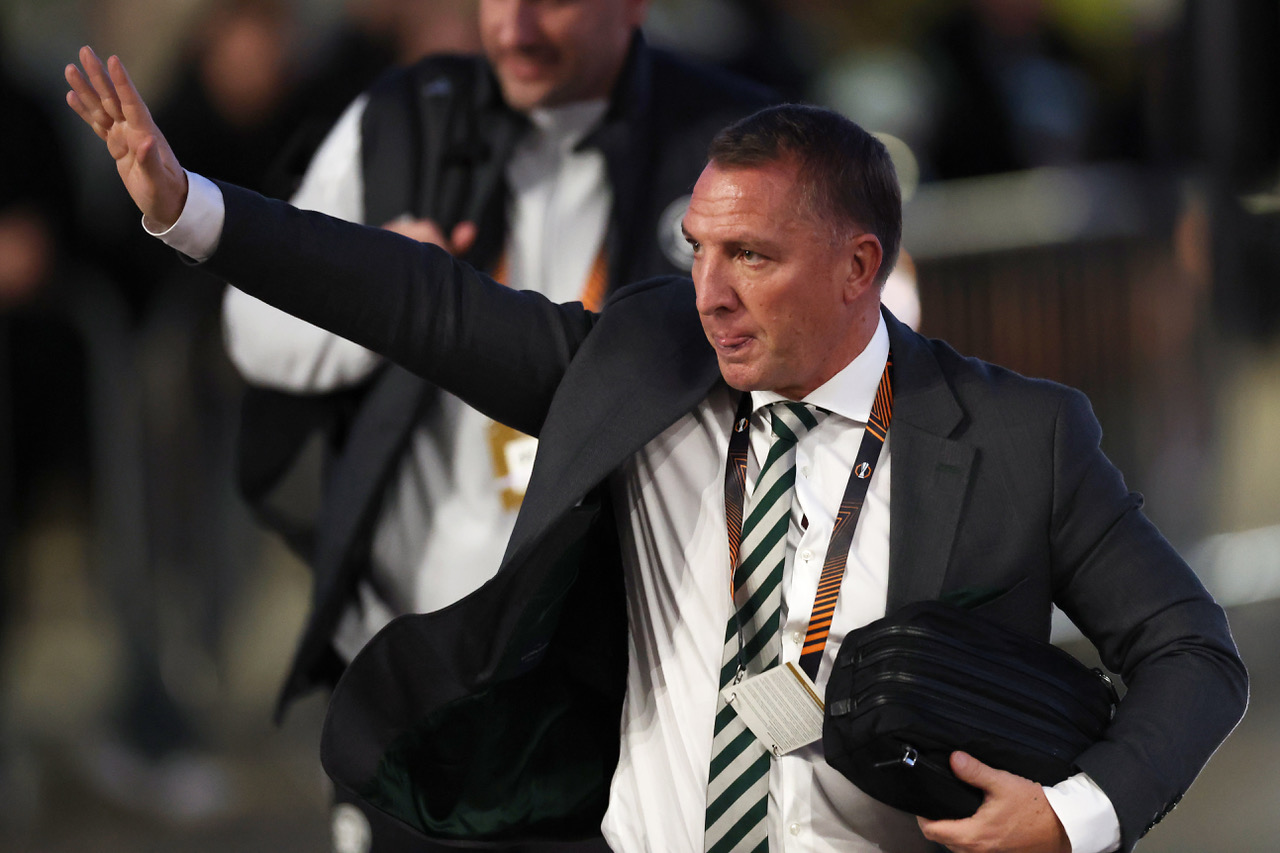
Brendan Rodgers, Manager of Celtic, waves to fans as he arrives at the stadium prior to the UEFA Europa League 2025/26 League Phase MD3 match between Celtic FC and SK Sturm Graz at Celtic Park on October 23, 2025. (Photo by Ian MacNicol/Getty Images)
So Brendan Rodgers’ exit in October 2025 was not caused by a single factor but by a convergence of issues: disappointing early-season results, failure in Champions League qualification, disputes over transfers, and a complete breakdown in trust with the Celtic board. Together, these created an environment in which resignation – or sacking – became the only viable outcome, bringing a turbulent end to what had initially been a successful second tenure.
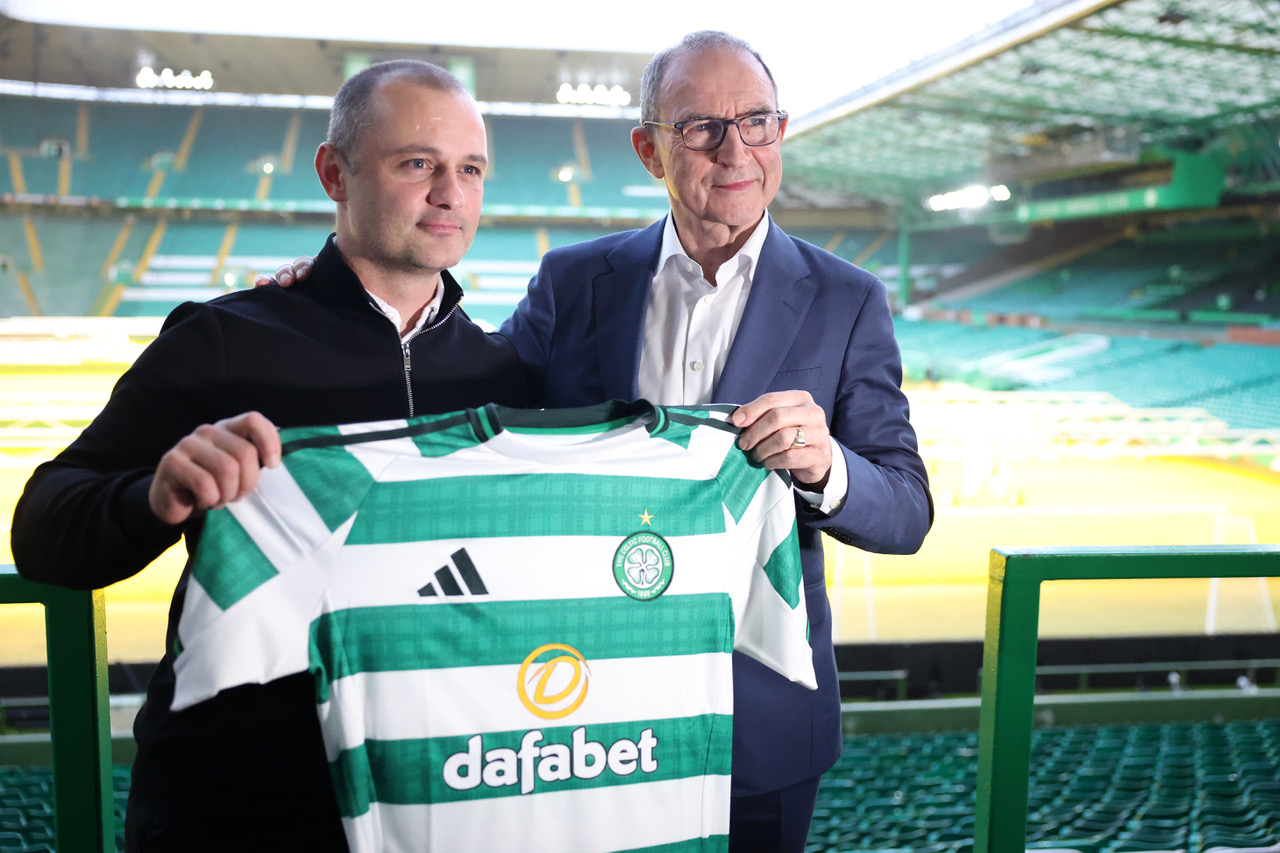
Shaun Maloney and Martin O’Neill at Celtic Park on October 28, 2025 (Photo by Jeff J Mitchell/Getty Images)
Following his departure, former Celtic manager Martin O’Neill returned on an interim basis, assisted by Shaun Maloney, as the club sought stability ahead of crucial fixtures. We’ll look at that stage of Celtic’s turbulent season next on The Celtic Star…




I don’t know why so much time is spent upon revisiting the Rodgers situation imo?
It’s nothing new for any manager to reach It’s maximum levels from his players available, and happened with Ange before Rodgers also.
Rodgers adapted a different approach, some players adapted, in the same way others didn’t, especially kyogo imo?
By the end of last season, many of our core group of players that Rodgers had inherited, had reached there maximum levels with ourselves, and has been shown throughout this season.
Still say, that Rodgers prefers to work with smaller squad numbers, when there is a growing demand for bigger squad numbers these days, with the footballing calendar as it currently stands also.
So no real room for such an injury list, that has impacted ourselves this season, and even still in place for ourselves.
But Rodgers hasn’t had much of a history of rebuilding squads during his managerial career. And when that time comes around, things tend to go pear shaped. Again nothing new within managerial careers either?
Ange had the ability to totally rebuild our squad, especially with finding value in the Asian market, which is doubtful if that is available to ourselves any longer imo?
Yet any new manager is going to try and find value in other markets all the same for ourselves, in order to strengthen and reform a new core group of players within our playing squad.
Already seen this season, that it isn’t a straightforward process, judging by our loan market incoming players.
There will always be hit and miss approach within Scottish football especially. Players value increases moreso within their involvement within European club competition.
And with that, can lead to a shorter stay with ourselves.
But as a club, we aren’t going to be replacing 20M sell players with players of similar value, with what there wage demands are going to generate.
Even now, the prospect of a move to Scottish football isn’t that attractive with the prospect of European football on offer, as it once did imo?
Would help matters, if we had a decent development programme on offer, but we haven’t at present.
Incoming players don’t get a settling in period, that once was on offer, with such a demand to hit the ground running from the off.
So don’t believe that whatever theory is put in place for ourselves, we are still struggling badly within the development process that’s involved imo?
A stronger development programme, with the required coaching involved, may help with such a high turnaround of players every summer.
We as a club, have managed to go through a ridiculous amount of players this season, with way to many misses than hits in this regards.
Fair enough to be looking at the recruitment process, which has been generally brutal. But that doesn’t cover the excuses as to why nothing is getting developed over the course of a season imo?
So any new manager, has to find a playing system that is easier for players to adapt to, and can go straight into contention for starting positions.
That still doesn’t cover the issue regarding development for players to be able to fit in, if such a situation like this season arises again.
The overall game is changing rapidly these days, and as a club we are struggling badly with keeping up with the changes involved imo?
So looking at changes from the top down, is that really the best approach? Still believe that working from the ground up will be a better approach for ourselves to adopt in the longer run imo?