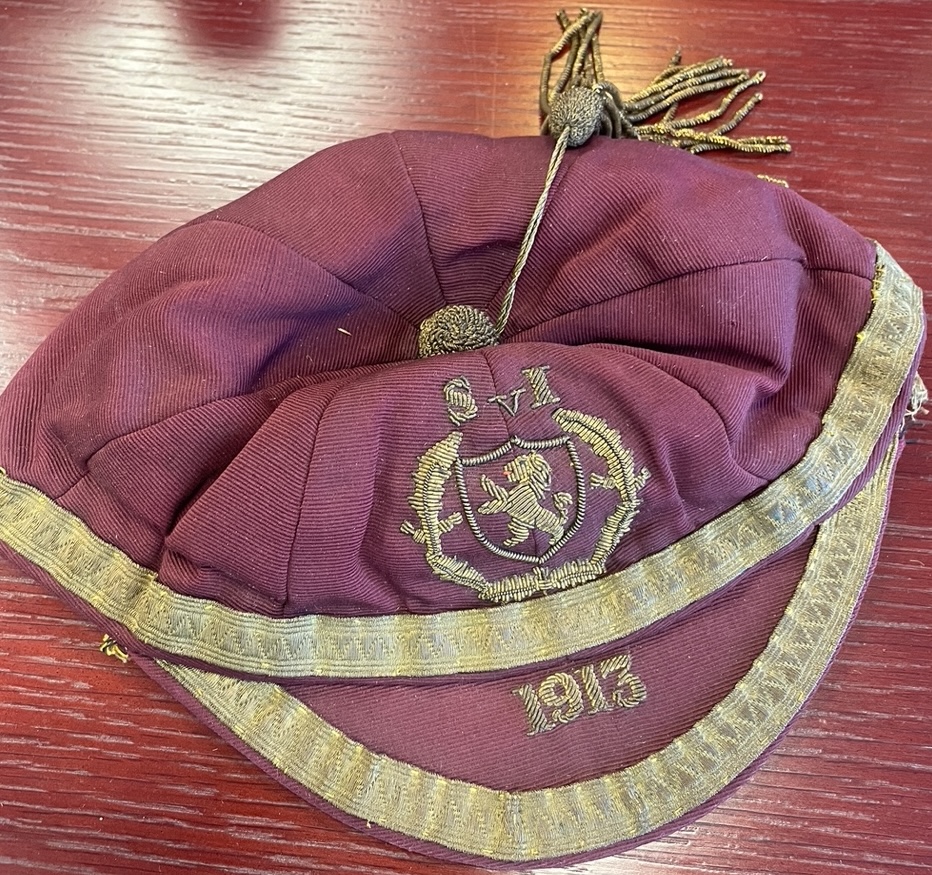
Clearly, there was more than one version of events. This article, reflecting subsequent discussion at the SFA’s committee meeting, is taken from the Evening Telegraph of Wednesday, 19 March 1913.
‘DISTURBANCE AT IRISH INTERNATIONAL.
The next item on the agenda was the fixing of the venue for the match with Ireland in 1914.
Mr Liddall (Queen’s Park) said he thought they should have some explanation of the riot at the international match in Ireland.
The chairman said his feeling in regard to that was that the spectators were indignant and annoyed because the Scots won the match. There had been so many changes in their team that the Irish felt that they were assured of a win. Unfortunately, at the close of the game a number of spectators invaded the field, and at that particular moment the ball was passed to player Robertson, who in his attempt to get it was jostled. He was tripped several times, and ultimately struck, and fortunately or unfortunately, he retaliated and kicked a spectator. It was rumoured that the spectator’s leg was broken, and at once the feelings were up against him. He (the Chairman) must say that the Irish officials did all in their power to protect the Scots, Apparently, the outrage was committed by a band of hooligans.
A Member – is it the case that it was an Irish official who led the riot and destroyed the windows of the pavilion?
The Chairman said that statement was made. But the Irish officials had got the name of a man, and they were going to take action. In addition to this man there was also a man said to be a leading Orangeman. He (the Chairman) blamed that man for half of the trouble. In reply to a member of the meeting as to whether he was sure that the man was an Orangeman, Mr Robertson said he had remarked to one of the Irish officials that a priest was at the head of much of the trouble, and this official told him he was not a priest but a clergyman, and a leading Orangeman. A large number of police were there, but they stood by and did nothing. They were afraid. The clergyman referred to insisted on Robertson being arrested, it being said that the injured spectator was taken to the hospital. They found, on going to the hospital, however, that the man was not there. The Chairman further explained that, while the Scottish officials and the player Robertson were proceeding to the hospital, presumably to visit the injured spectator, two policemen pounced on the Anglo-Scot and arrested him. Over a thousand persons followed the policemen and their charge to the office, and, notwithstanding the demand of the clergyman that Robertson should be charged with assault, no complaint was made out against the Scottish player. It was three hours after the conclusion of the match before the Scots officials and players reached their hotel, and even then they had to press through an angry crowd.
After further conference on the subject, it was agreed, on the motion of the Chairman, that they ask the Irish Association what steps they were taking to deal with the leaders of the disturbance, including the clergyman, and pending satisfaction on that point the fixing of the venue for the Irish International for 1914 was delayed.”
Incidentally, the central character in this story, George Robertson, is credited by some sources as the man responsible for creating Sheffield Wednesday’s nickname, the Owls. Apparently, the club went on a successful run after George had gifted them an owl as a mascot.
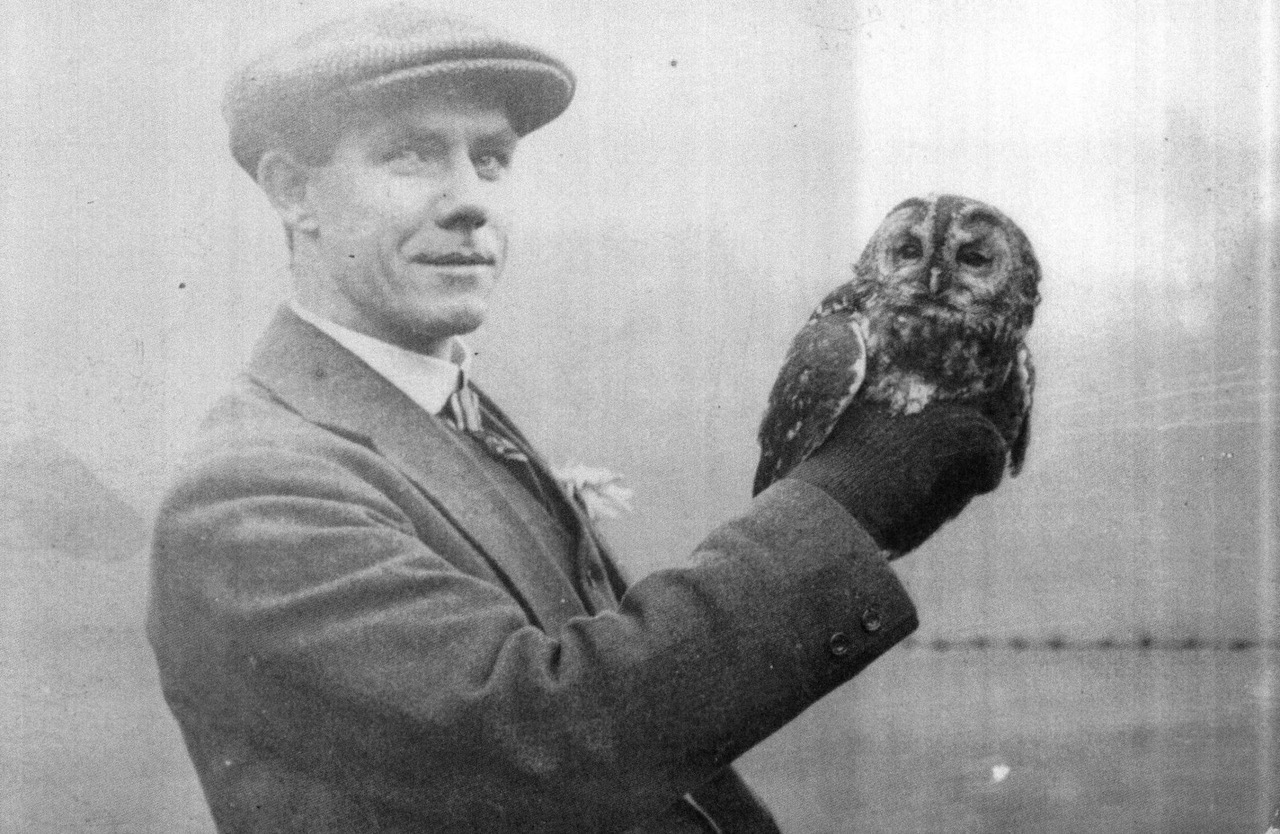
George Robertson with the owl
And Dublin’s Metropole Hotel would witness trouble of a different sort a little over three years after the Scotland party’s eventful visit. Located adjacent to the General Post Office building on Sackville Street, later renamed O’Connell Street, it was occupied and badly damaged during the Easter Rising of April 1916 and subsequently demolished later that year.
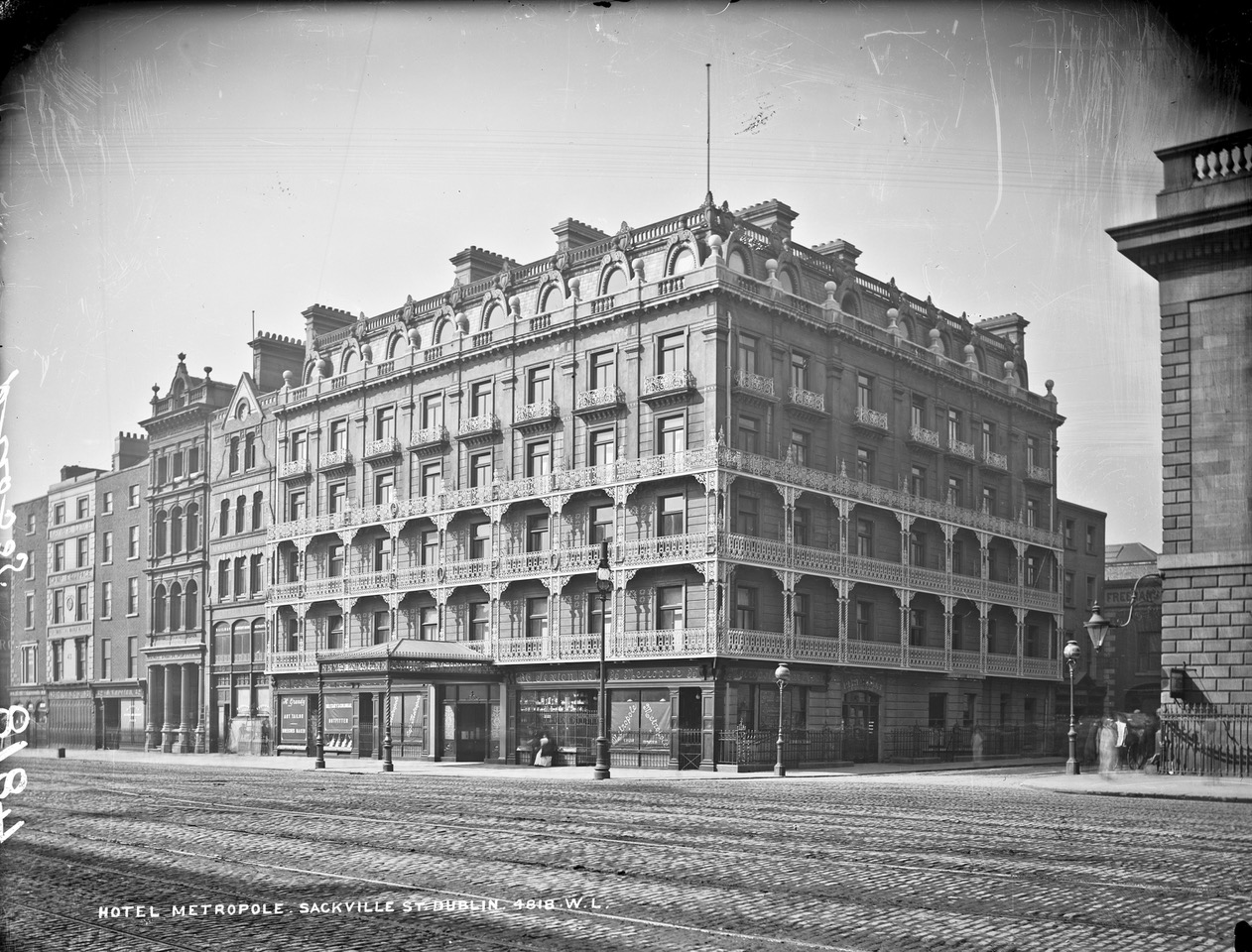
Metropole Hotel in Dublin before the Easter Rising
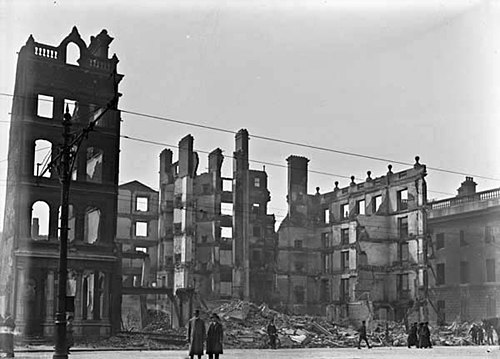
Metropole Hotel in Dublin after the Easter Rising
Hail, Hail!
Matt Corr
Follow Matt on X @Boola_vogue
You can read all of Matt’s brilliant articles in our Authors section at the top of The Celtic Star. Indeed you can do so for all our writers including the late David Potter. Click HERE to see Matt Corr’s article archive and HERE to see David Potter’s brilliant collection of Celtic features.
To see the hardback Celtic books published on Celtic Star Books click HERE and feel free to purchase. Matt will be happy to sign your copies and add any personal dedication you would like. Celtic in the Thirties – in two volumes – is absolutely outstanding. Both volumes are also available on Kindle with all photographs there too.
Celtic in the Thirties

Celtic in the Thirties by Celtic Historian Matt Corr is published in two volumes by Celtic Star Books. ORDER NOW!
Both volumes of Celtic in the Thirties are available on Amazon Kindle, with the links to order below. Signed copies of both volumes are available on hardback from Celtic Star Books and if you would like author Matt Corr to add a special dedication to your copies please let us know. Order hardback copies HERE or for Amazon Kindle click on the links below…

Click to order Volume One

Click to order Volume Two