
From a financial perspective it was not hard to understand why football did not stop. Thousands of fans still chose to attend the matches, and cancelling Saturday games which then needed a re-arranged midweek date was an expensive decision. For instance a Raith Rovers versus Dundee fixture at this time, which should originally have happened on a Saturday, was moved to a Wednesday. The expected 15,000 crowd for the Saturday match fell to only 4500 when it was finally played.
This decision to play football was not universally popular. One Scottish newspaper carried an article which pointed out that other sports – such as rugby and racing – had been cancelled. The writer finished his rant by decreeing that “May football draw nothing but shame from the last demonstration of decency.”
King George’s funeral was held on a Friday (15 February) and football proceeded as normal the following day, without the need for more silences and tributes. Celtic hosted Stirling Albion in a league match and despite winning were described as “unimpressive” by the Glasgow Herald.
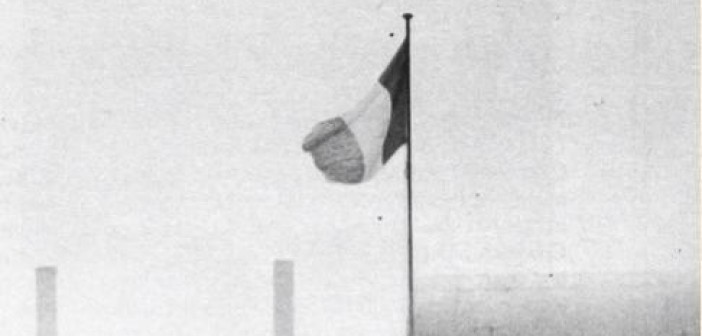
In reality in February 1952 there were far more pressing matters for Celtic to consider than the monarch; their future as Scottish football team was in serious doubt. The New Year’s Day game with Rangers in 1952 had been marked by fan violence. One suggestion to prevent reoccurrences in future was to stop Celtic flying the Irish tricolour at Celtic Park. Such a proposal opened up a battle with the Bhoys.
READ THIS…Celtic FC and The Flag That Flies On High
Celtic chairman Bob Kelly furiously rejected this idea, and rightly highlighted the club’s historic Irish connections. Strangely one of his main supporters was John Wilson of Rangers whereas Hibs’ Harry Swan helped lead this anti-Irish charge. Celtic were now threatened with closure of the ground or even being suspended from football. Kelly made it clear he would not back down. This strong stance surprised and undermined the SFA position, and they were forced to back down.
Celtic’s tricolour remained proudly in place.
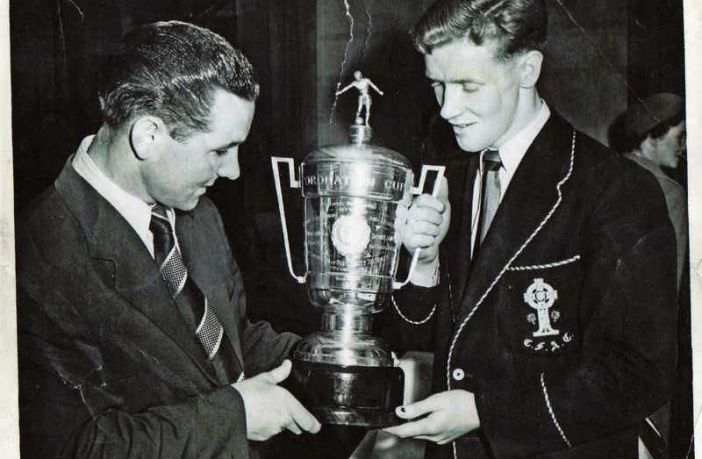
Whilst Celtic had not been directly involved in commemorations for the dead king in 1952, the following year a famous event connected to this took place. Celtic had won an unofficial ‘Coronation Cup’ in 1902 after Queen Victoria’s death. Now they would enter an official contest.
In 1953, to mark Queen Elizabeth’s Coronation, a special eight-team tournament was played in Glasgow, featuring four Scottish sides and four clubs from England. Celtic – during a poor spell in the club’s history – were not expected to win this contest.
READ THIS…Given that Celtic won the first two Coronation Cups, will the British Establishment try again?
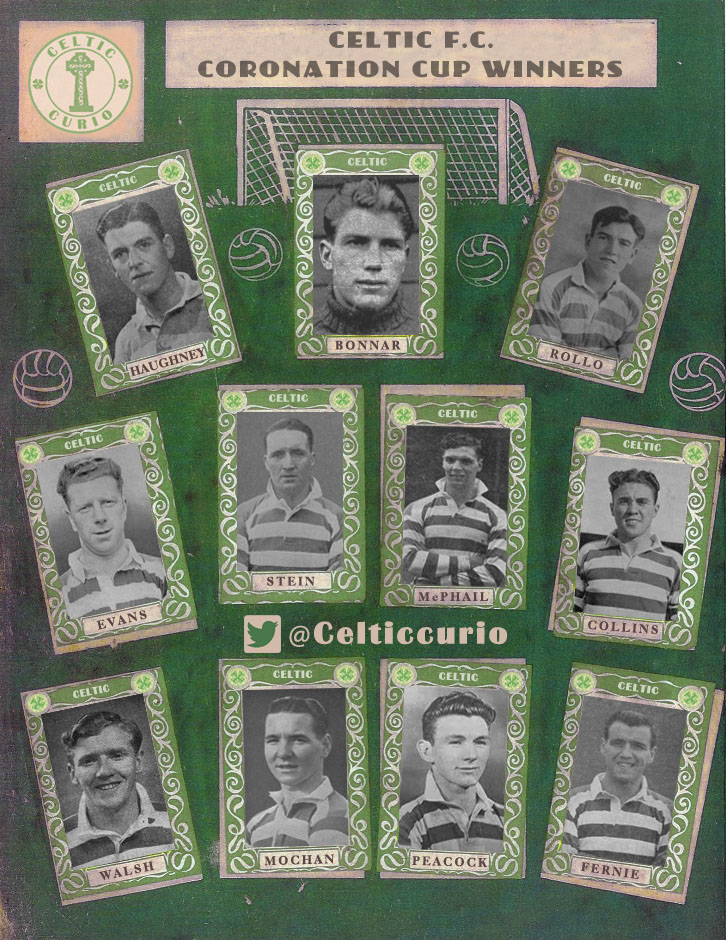
Instead the Bhoys saw off Arsenal in the quarter-finals (winning 1-0) before repeating this achievement when they beat Manchester United 2-1 in the semi-final. In the final – as the song famously records – they beat Hibs 2-0, with Hampden being “covered in green, white and gold”.
And now, for only the fifth time in Celtic’s history, the topic of a monarch’s death is again raised. Sunday’s match with St Mirren – as well as all other Scottish games – will replicate commemorations of previous years, including minute’s silences or applauses and black armbands.
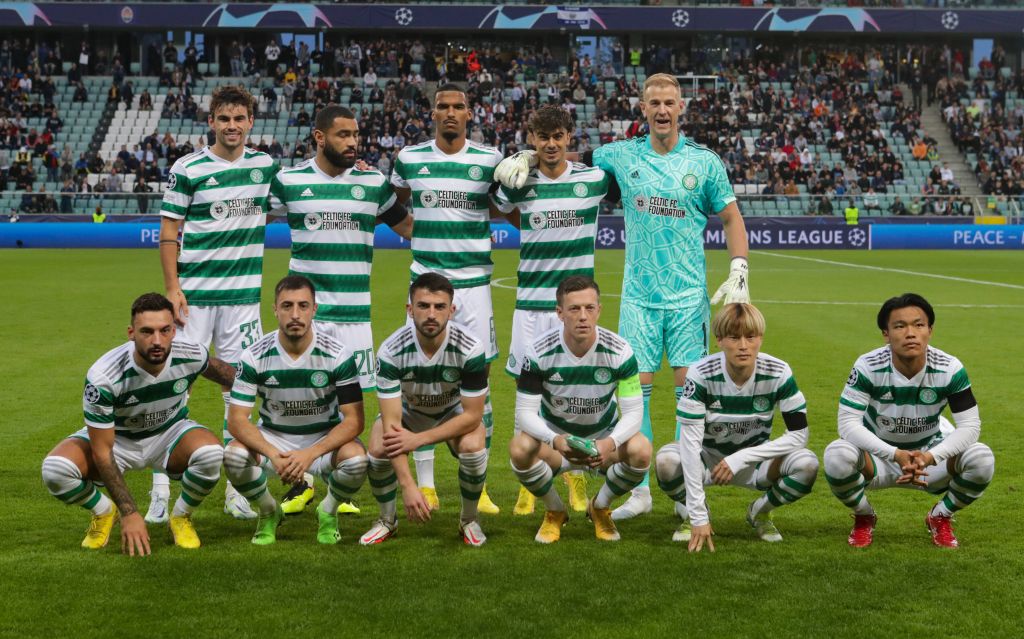
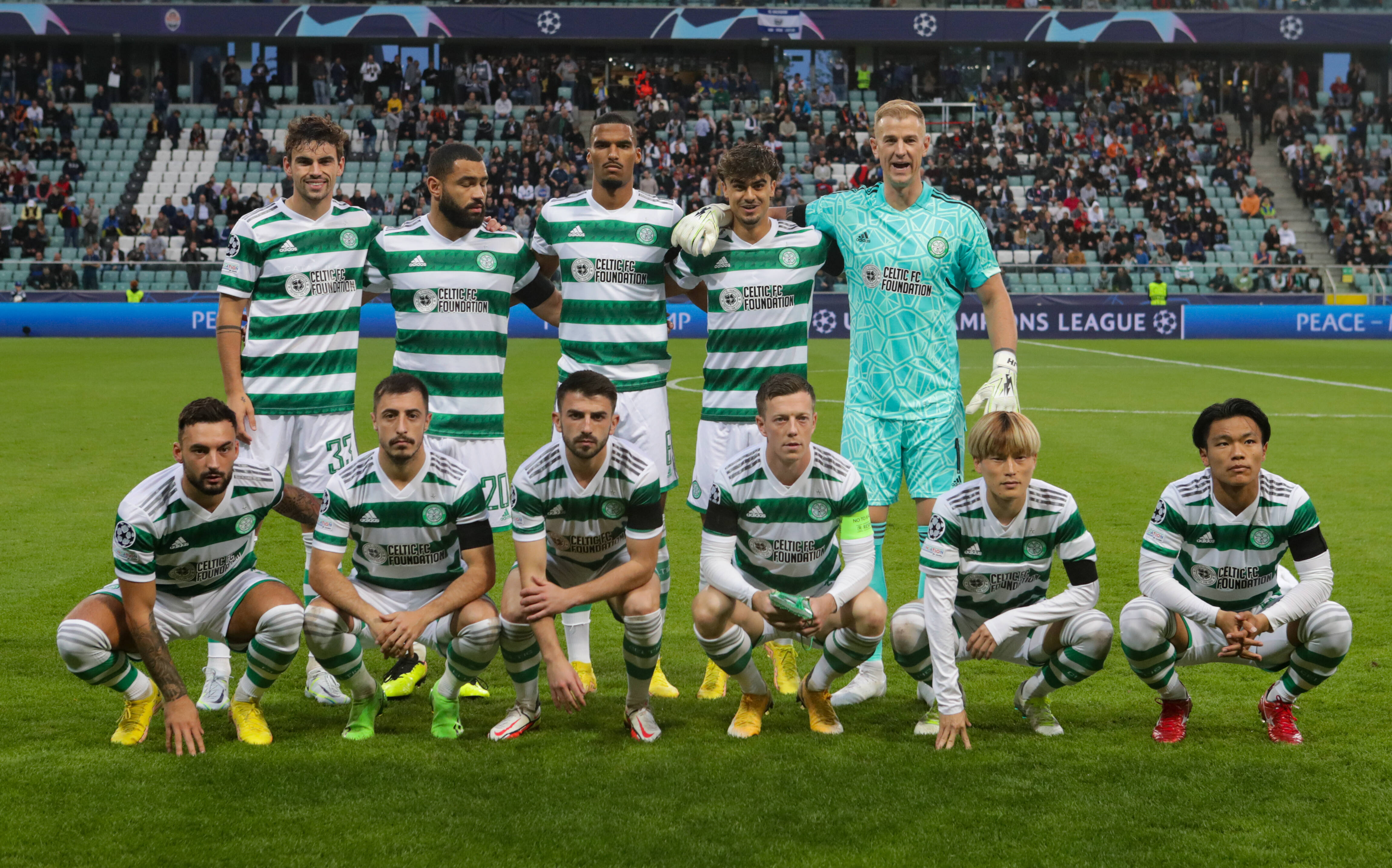
It should be noted that the Celtic players and coaching staff all wore black armbands on Wednesday night in the Champions League match against Shakhtar Donetsk in Warsaw. Photo: Beata Zawadzka/East News
The Celtic players who line up for this memorial will be making club history when they do so. It is likely the first time this has happened, and definitely the first time in more than 120 years. This is also true for those fans in attendance, although the respective responses to the commemoration from both of these groups may yet prove to be very different.
Guest column by @hailhailhistory

Good Stuff!
There was also the story about 1910 about an old lady seeing a newspaper bill “Great Man Dead” referring to King Edward VII. The old lady thought that it was someone more important – Jimmy Quinn!
My appeal to Celtic supporters on Sunday, incidentally, is to make their feelings plain, if they must – but to cut out the bad language. That does not help.
Love the fact that the repugnant rat Jeremy Kyle is outraged at Celtic banners. The same scumbag directly responsible for the suicides of the guests he humiliated on his vile exploitative TV show. How did this lowlife get another gig on the telly. If you are not a slave you should protest the corrupt nonsense that is monarchy. Funny how the British claim they will never be slaves but are slaves to this repellant regime. Worth 28 billion yet won’t stump up for Nan’s funeral. Free loaders the lot. Good to know Chuckie the turd will be the last
Journalist? Really. Another celebrity fan for the new Rangers. Kyle and Andy Cameron.