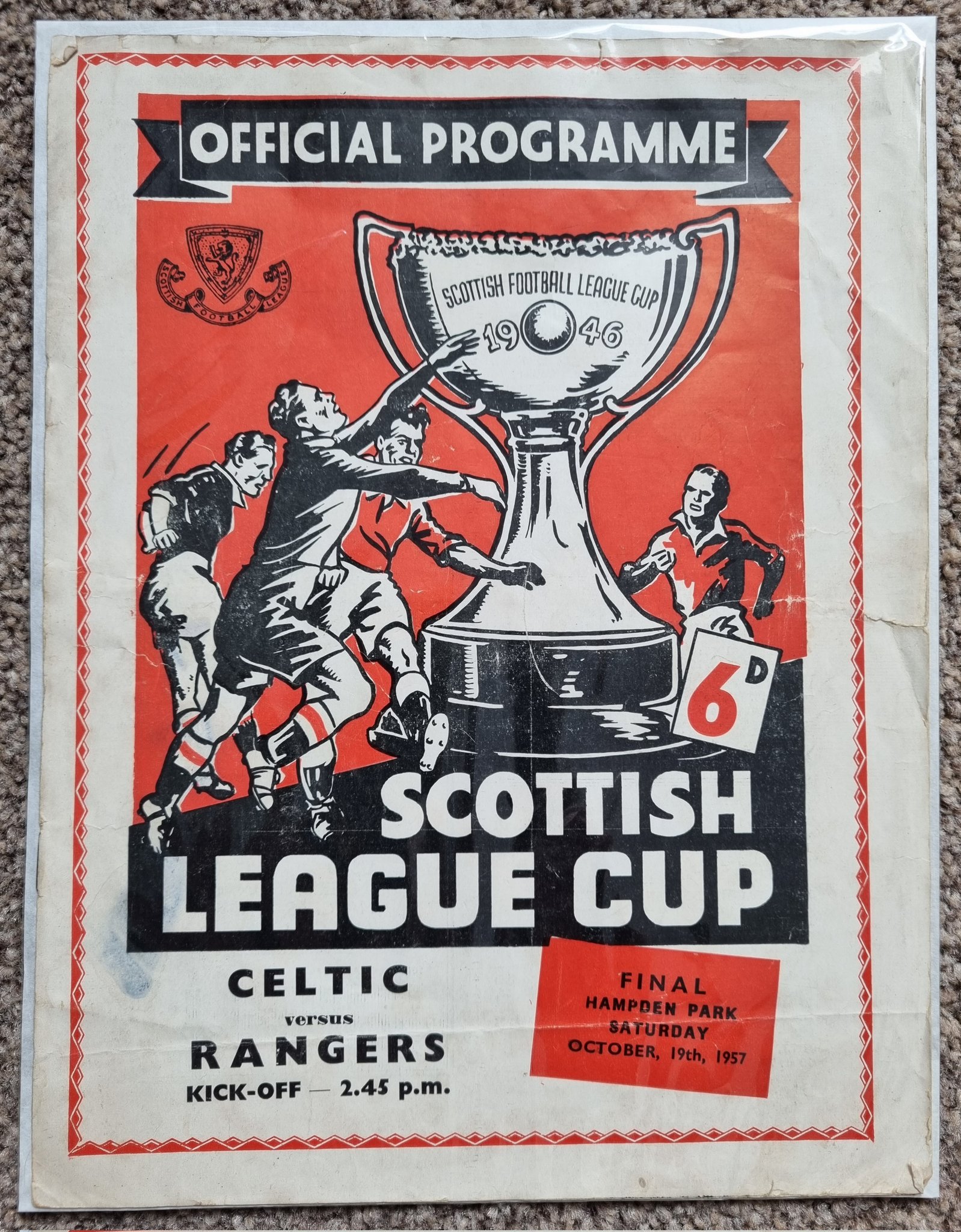
There are numerous examples of matches from this era continuing to be sought after by modern day programme collectors. Obvious examples include the 1953 Coronation Cup final – when Celtic famously beat Hibs – and the Bhoys’ 7-1 demolition of Rangers in the 1957 League Cup.
Programmes served various purposes. They would generally include basic team information, as well as a range of adverts. There were usually also articles, perhaps telling club history or describing the Celts’ opponents.
On other occasions, the programme – and also the Celtic View – have been used a tool for the club to lecture supporters on their behaviour. There are numerous examples of this occurring from the 1960s through the 1990s, including manager comments on this.
As the years have gone on, programmes have become bigger and consequently more expensive. In the 1950s and 60s, programmes tended to cost around 3 pence, compared to now £4 for a standard home game and even £10 or more final for domestic cup finals. This is also true for the Celtic View which now costs £5.99 but was only 4 pence when first available.
Print sale declines affected The Celtic View
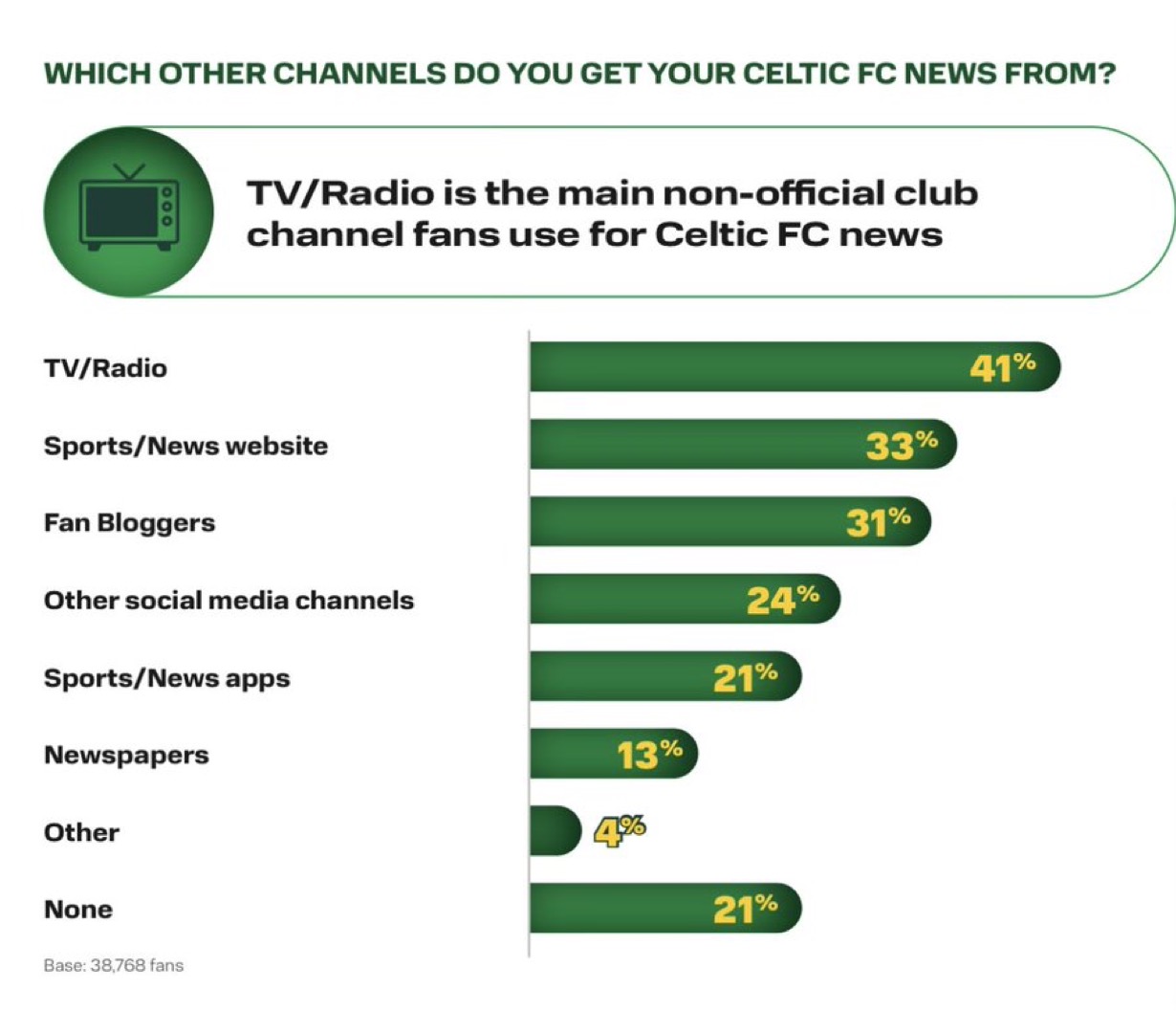
Partly related to this rise in costs, in recent years, the View and matchday programme have both suffered in the same way as the rest of the print media. Simply put, sales have fallen as fans increasingly get their Celtic news from generally free online sources.
This has led to an entirely new method of spreading Celtic news, history and commentary. In the early-2000s, blogs and forums became a popular way of Celtic fans having their say. This includes the still popular Huddleboard and others like Kerrydale Street or Celtic Noise.

This method of fan engagement has now become much more mainstream. Celtic fans wanting to read club news, history and commentary can visit websites such as The Celtic Star and the Celtic Blog. The potential fan media offers is also recognised by more established media outlets; for example, the Herald and Glasgow Times publish The Celtic Way website too alongside (the)Rangers Review. You can make your own judgements on whether that’s Celtic Fan Media or the mainstream media dressing itself up as Celtic Fan Media.
And of course, it is not just about the written word: podcasts and live broadcasts are now many people’s main method of learning about Celtic. It is often joked that every middle-aged Celtic fan has their own podcast! Sometimes these are even available as games are taking place.