11. Celtic’s 11th Manager (1998-99) – Dr Jo Venglos, such a nice gentleman
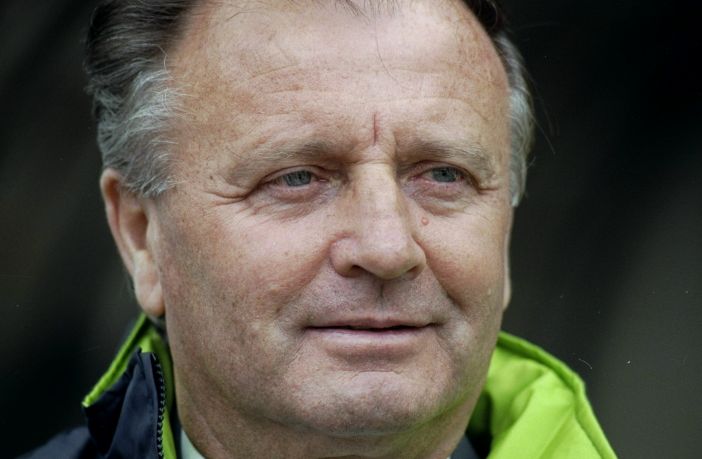
It wasn’t entirely his fault, but Jo Venglos’s season as Manager of Celtic was not a success. Like Wim Jansen, he wasn’t exactly well known among Celtic supporters but he had managed Czechoslovakia and Aston Villa.
Possibly, now in his mid 60s, he came just a little late for Celtic’s good. In particular he had some problems over which he had no control. The players chose to pick a fight with Fergus McCann before a League Cup game against Airdrie, and duly lost.
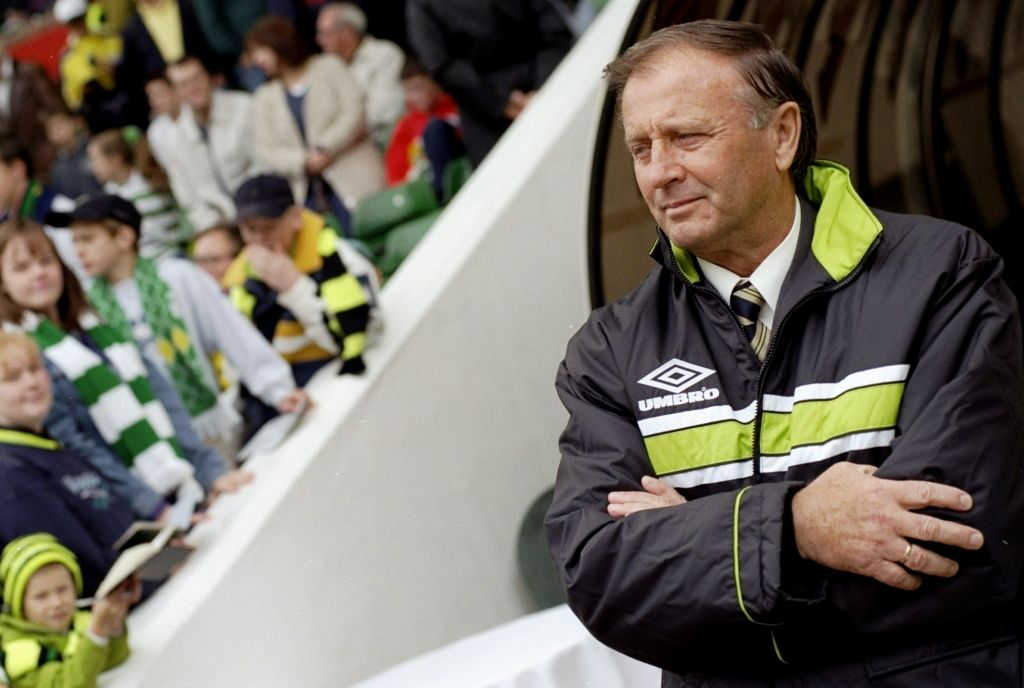
12 Sep 1998: Dr Jozef Venglos of Celtic watching the action during the Scottish Premier League against Kilmarnock at Celtic Park. Photo Clive Brunskill /Allsport
Mark Viduka was signed but there was a dreadful problem persuading him to come and play. When he did, he got sent off for spitting! There also seemed to be a particular problem about St Johnstone.
On the other hand, Jo signed class players in Lubo Moravcik and Johan Mjallby and there was a tremendous 5-1 thumping of Rangers in November. For a while in midwinter, we began to hope we could challenge Rangers, but we lost the League in early May at Parkhead in a disgraceful game when tempers were lost, and then the Cup in a 1-0 final to Rangers which was unlucky in many ways – but Rangers were probably the better team.
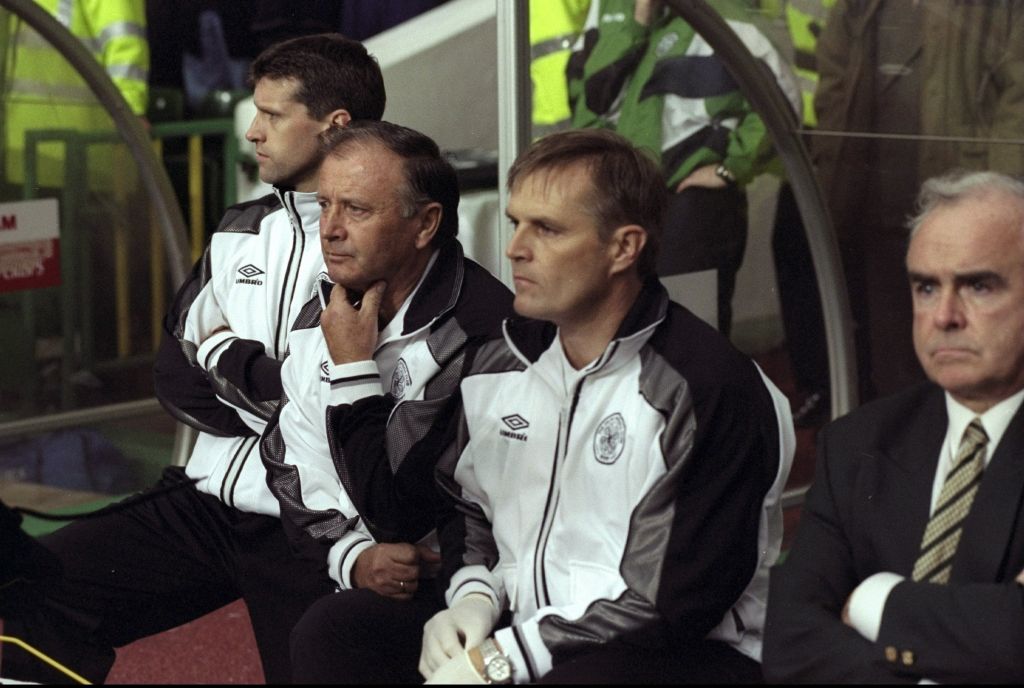
12 Aug 1998: Dr Jozef Venglos, watches over the action during the qualifying match between Celtic v Croatia Zagreb in a Champions League played at Celtic Park. Celtic won the match 1-0. Photo Clive Brunskill /Allsport
Jo had no luck at all at Parkhead, and it was sad to see such a nice gentleman having to depart. He must have wondered what Scotland was all about!
12. Celtic’s 12th Manager (1999-2000) – John Barnes, his feet barely touched the ground on the way out
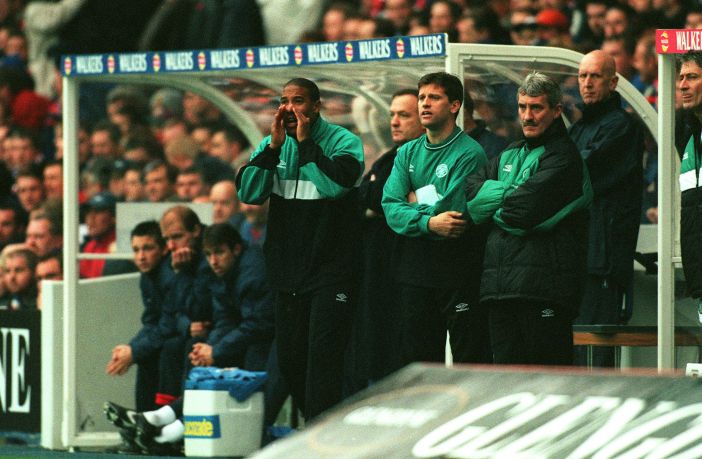
Not for the first time were Celtic forced to realise that a good player, no matter how good, does not necessarily make a good Manager. They made a similar mistake in 1991 with Liam Brady. John Barnes had been a great player for Liverpool and England, but Manager, he was not.
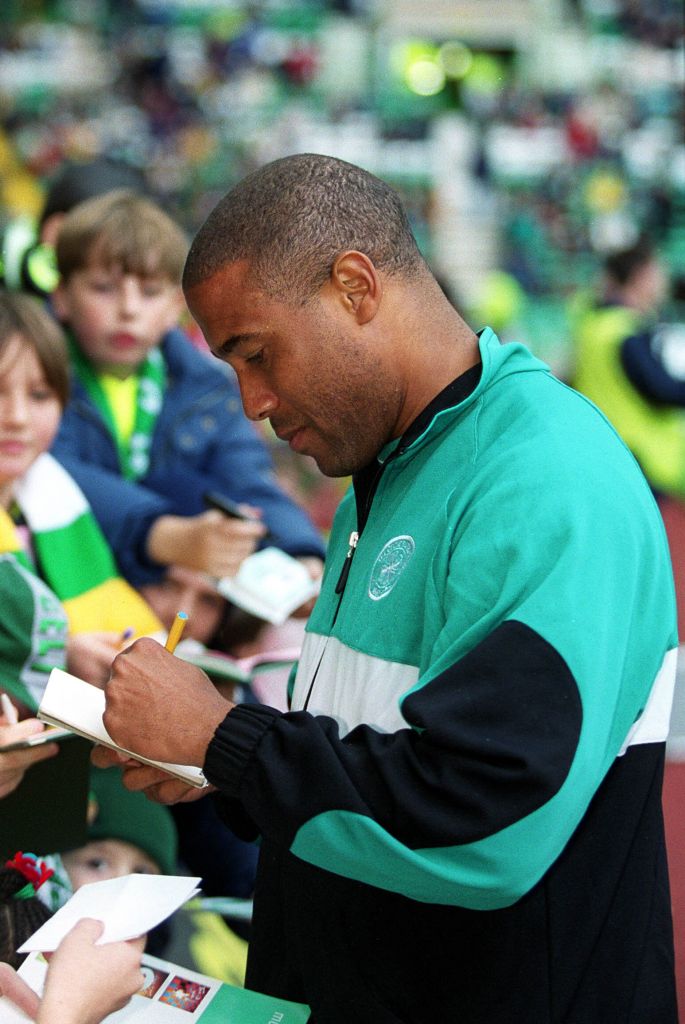
John Barnes Celtic Manager 30 October 1999 Photo Mary Evans
From an early stage criticisms were made of his team formation and his team selection, but fate dealt him a bad blow in Lyon in October when Henrik Larsson broke his leg. The misfortune was twofold. One was the loss a great player, but the other was the loss of a stable influence which could have counteracted the crazy things that happened in the Celtic dressing room on that fateful night in February.
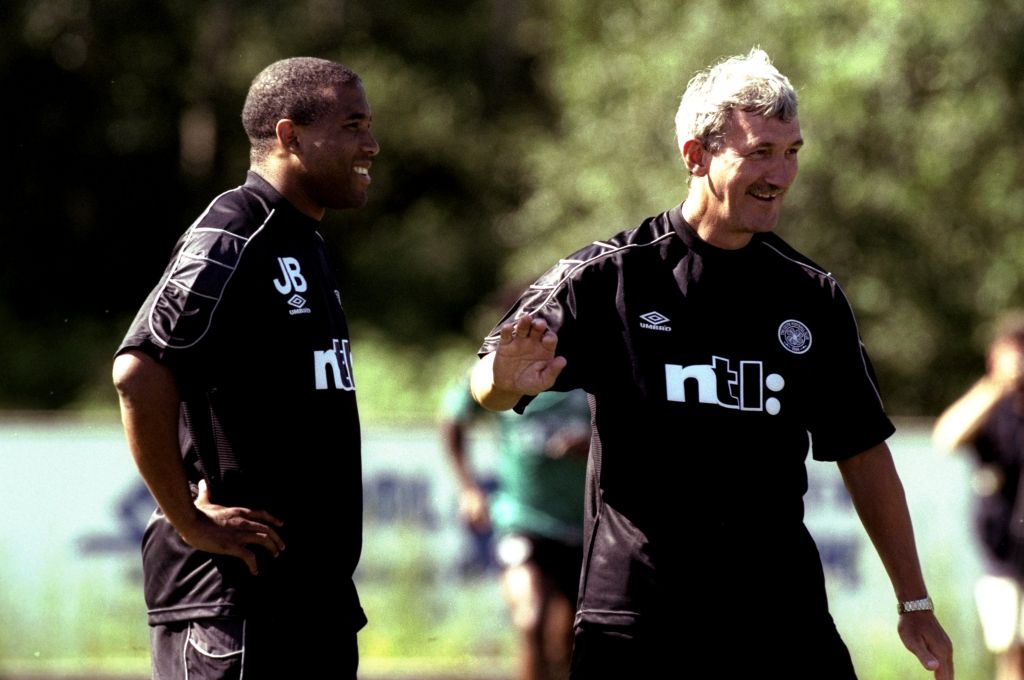
July 1999: Celtic Manager John Barnes and Terry McDermott during their pre-season tour of Norway. Photo: Stu Forster /Allsport
Even before the Inverness game, storm clouds were gathering. The first game back after the midseason break was against Kilmarnock at Rugby Park and it was an appalling bore, then the Saturday before Inverness game saw a game against Hearts thrown away.
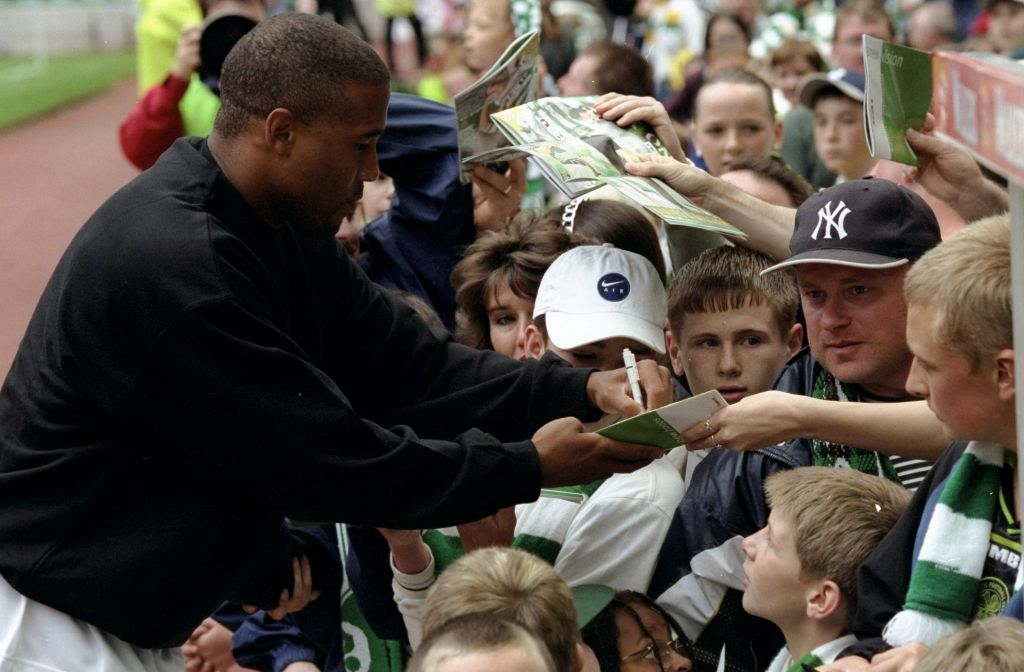
24 Jul 1999: Celtic Manager John Barnes signs autographs before the pre-season friendly against Leeds United at Celtic Park . Leeds won 2-1. Photo Chris Lobina /Allsport
The players took the field against Inverness with a mixture of arrogance about their lower League opponents, and opposition to their Manager. He had probably “lost the dressing room” long before, and his feet barely touched the ground on the way out after that humiliation which I hope, affected him in the same way as it affected us.
As Rudyard Kipling once said about the Boer War “it was no end of a lesson, but it will do us no end of good”.
13. Celtic’s 13th Manager (2000) – Kenny Dalglish was never interested in the job
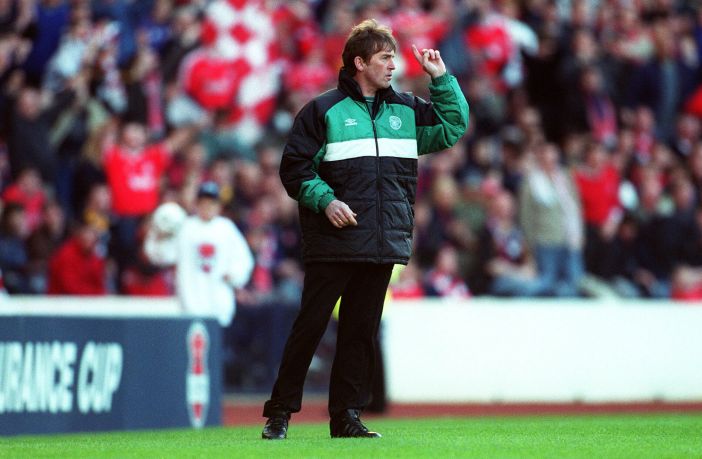
Kenny Dalglish qualifies for inclusion as a Manager for, although he was appointed only as a Caretaker Manager after the demise of John Barnes, he did to an extent rally the team to win the Scottish League Cup, beating Aberdeen, a team who were in an even more desperate position than Celtic were.
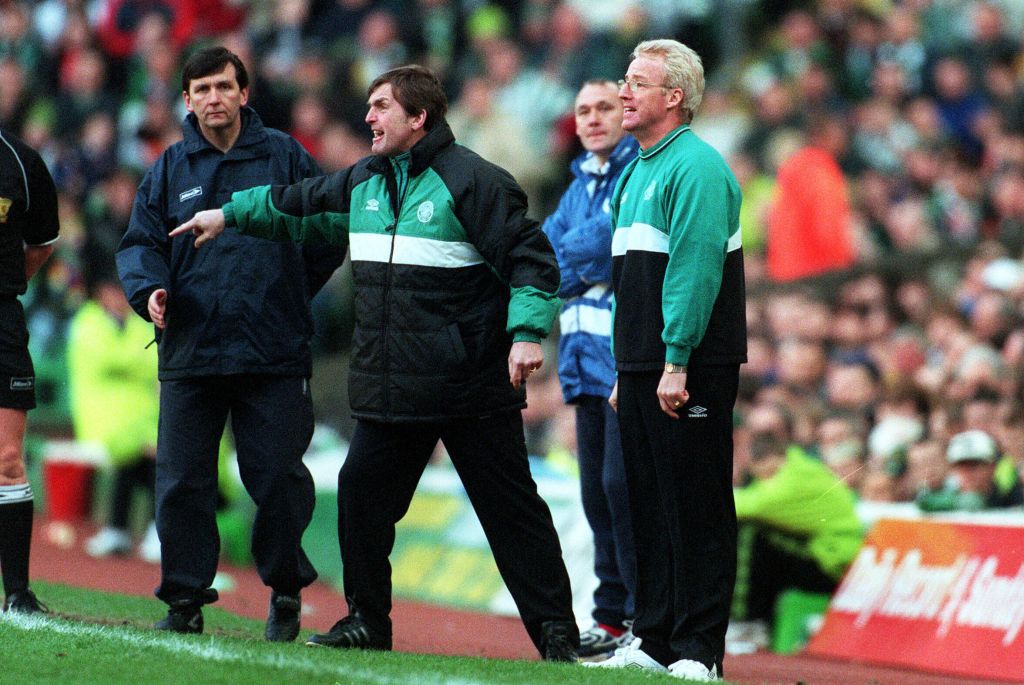
Kenny Dalglish & Tommy Burns Glasgow Celtic FC 11 March 2000 Photo Allstar Picture Library
It made us smile, at least for one week, but Celtic were a terrible team and the football was poor. The following week, we went to Ibrox like a man going to the dentist’s and lost 0-4.
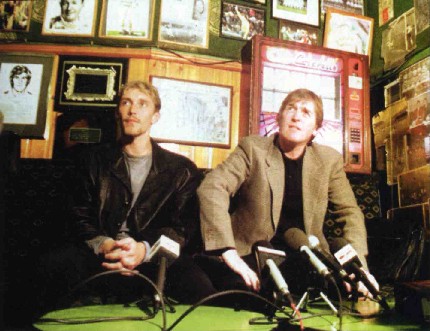
These were grim times, but Kenny on at least two occasions made us smile. Once was when he held his Press Conference among the punters in Baird’s Bar in the Gallowgate, and the other was when he turned on a reporter who was pestering him and said “you’re getting like Chick Young”. That was quite an insult, Kenny!
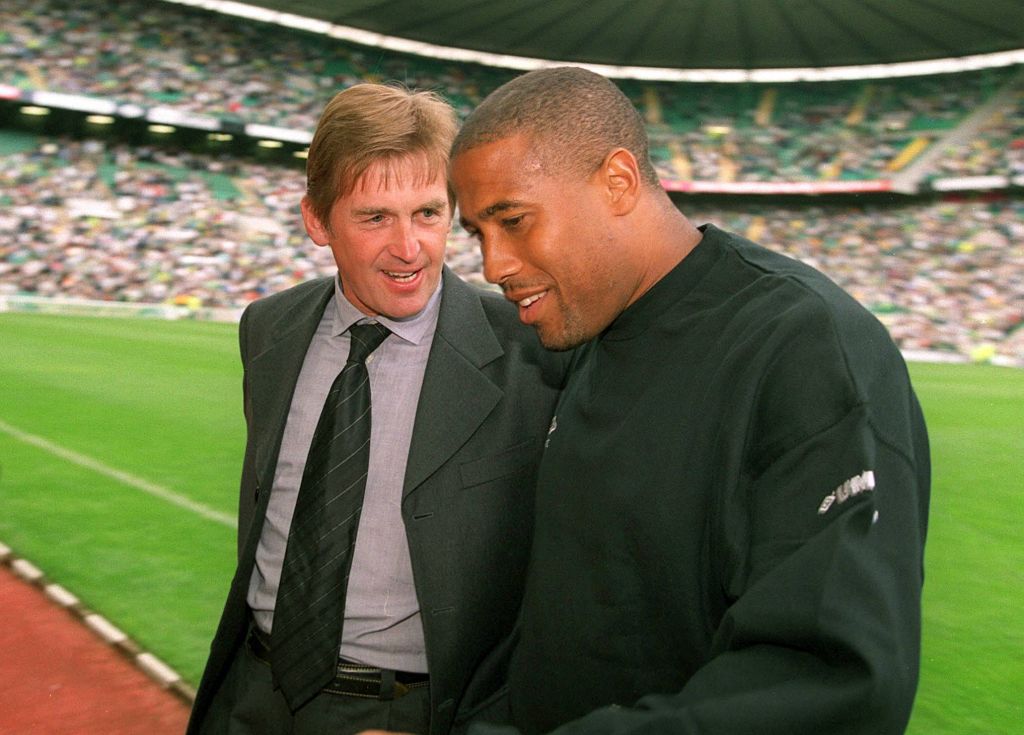
Photo: imago/Colorsport – Kenny Dalglish and John Barnes, Scottish Premier League 1999/2000,
He was never interested in the job on a permanent basis. I wonder what he would have been like?
14. Celtic’s 14th Manager (2000-05) – Martin O’Neill gave us back our glory
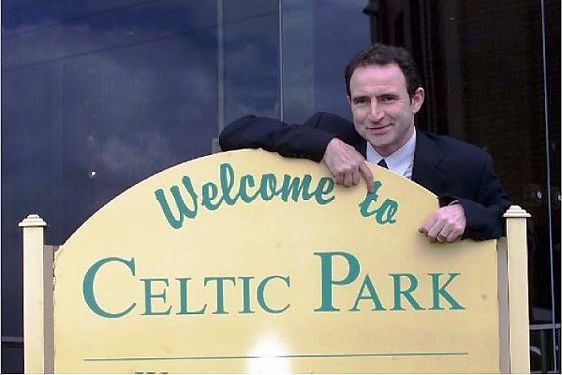
At long last in summer 2000, Celtic got the right man. For four successive years we had begun the season with a new man in charge, and this time, we got Martin O’Neill, a man with a proven record, and this time we backed him with money as well to buy players, notably Chris Sutton.
The effect was immediate. Martin O’Neill earned his spurs in the Demolition Derby, and for that season, apart from Europe, we never looked back as we earned our first treble since 1969 with Henrik Larsson clearly world class.
In his five years, Martin won the League three times, the Scottish Cup three times and the League Cup once.
Ironically his most famous season – the Seville experience of 2003 – was the only one of his five where we won nothing! “Taking the eye off the ball” was hardly appropriate, but in the wake of our triumph over Liverpool, we went down to Rangers in the League Cup final and then, with a strange team selection, we lost up at Inverness in the Scottish Cup.
Then we lost the League on a heartbreaking Sunday after Seville. We had possibly spread ourselves too thin, but we still had the bitter sweet experience of the Spanish sun to remember.
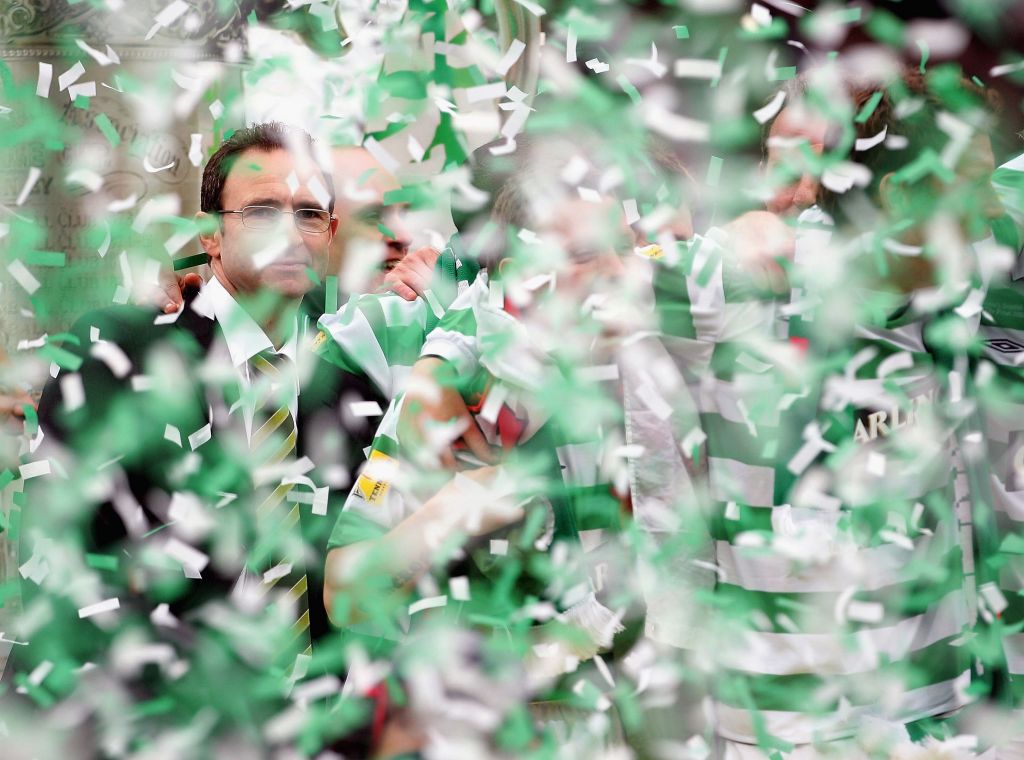
Martin O’Neill of Celtic celebrates victory with his players after his last game in charge after winning The Tennents Scottish Cup Final between Celtic and Dundee United at Hampden Park on May 28, 2005 in Glasgow, Scotland. (Photo by Laurence Griffiths/Getty Images)
We bounced back with a Double in 2003/04 and with a defeat of Barcelona into the bargain, but 2005 is still recalled as “Black Sunday”. It was an accident looking for a place to happen. In the run in, we managed to lose at home to both Hearts and Hibs (a very unusual occurrence) and the danger signal was up.
We had gone stale, and O’Neill was increasingly worried about his domestic problems. Things imploded piteously at Fir Park that awful Sunday, but with his final throw of the dice, O’Neill still managed to win the Scottish Cup before he departed. He returned to manage in England and with the Irish national side. His performances were respectable, but his glory years were with Celtic.
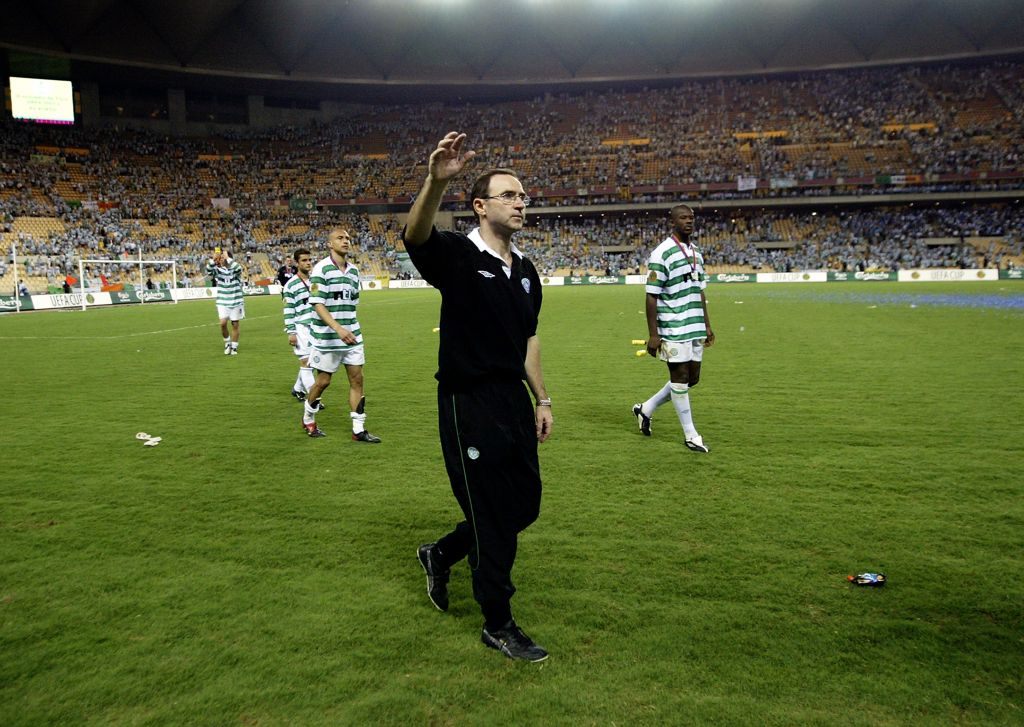
SEVILLE – MAY 21: A dejected Celtic manager Martin O’Neill after the UEFA Cup Final match between Celtic and FC Porto held on May 21, 2003 at the Estadio Olimpico in Seville, Spain. FC Porto won the match and trophy 3-2 after extra-time. (Photo by Michael Steele/Getty Images)
If Tommy Burns as Manager gave us back our self-respect in 1995, Martin O’Neill gave us back our glory in the 2000s. If Stein and Maley gave us our golden years around 1967 and 1908, then Martin’s years were silver. Not quite golden, but glorious all the same, and to be looked back with happiness and affection, and light years away from what we had seen in the 1990s!
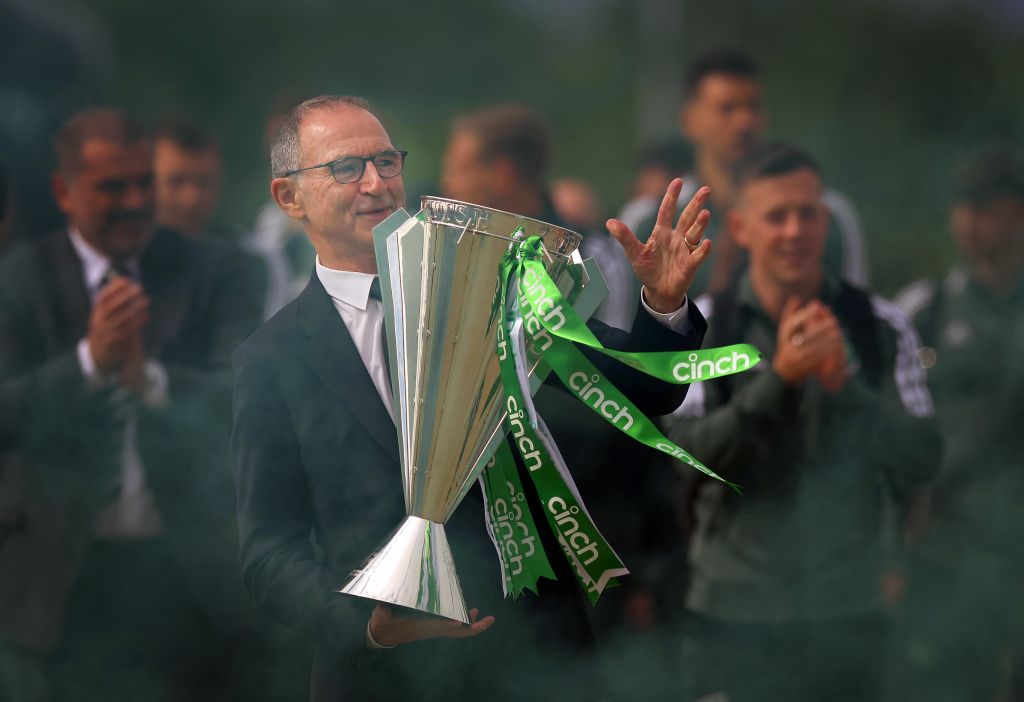
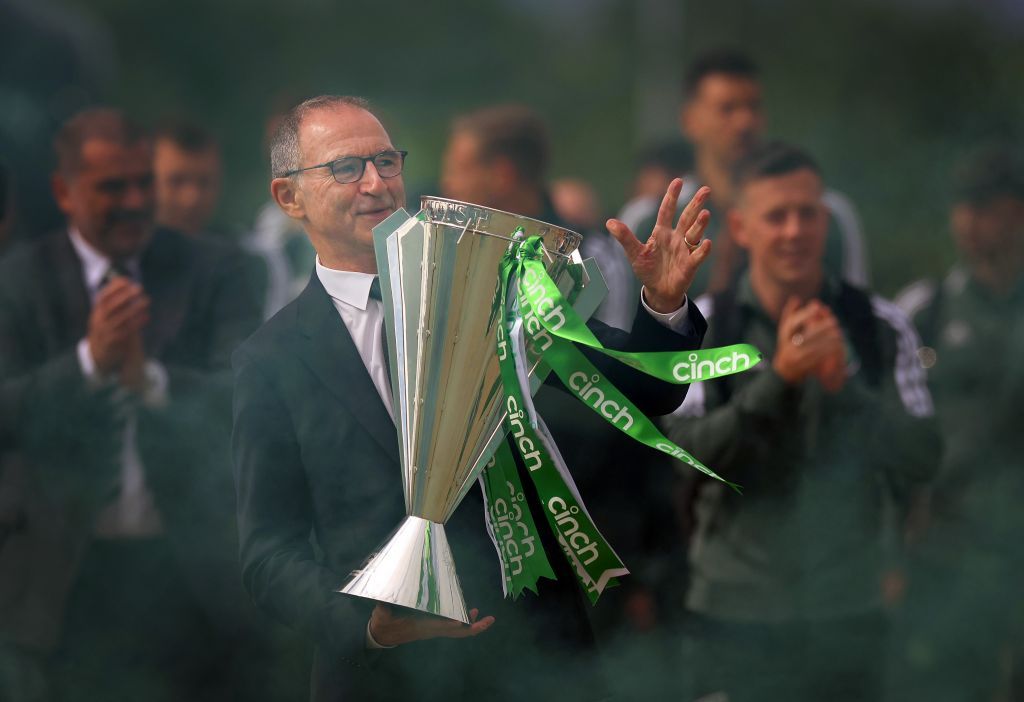
Former Celtic manager Martin O’Neill walks up towards the stadium with the SPL trophy during the Cinch Scottish Premiership match between Celtic and Aberdeen at Celtic Park Stadium on May 24, 2023 . (Photo by Ian MacNicol/Getty Images)
We remain grateful to this man who is still happy to describe himself as a Celtic supporter.
15. Celtic’s 15th Manager (2005-09) – Gordon Strachan remains sympathetic to Celtic
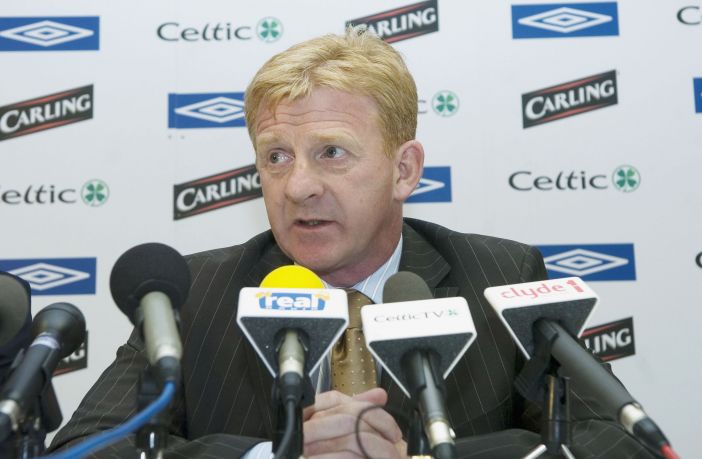
Gordon Strachan would not have been the number one choice of many Celtic supporters to succeed Martin O’Neill in summer 2005. Indeed, there was an element of disbelief. There were those who still disliked him from his Aberdeen days.
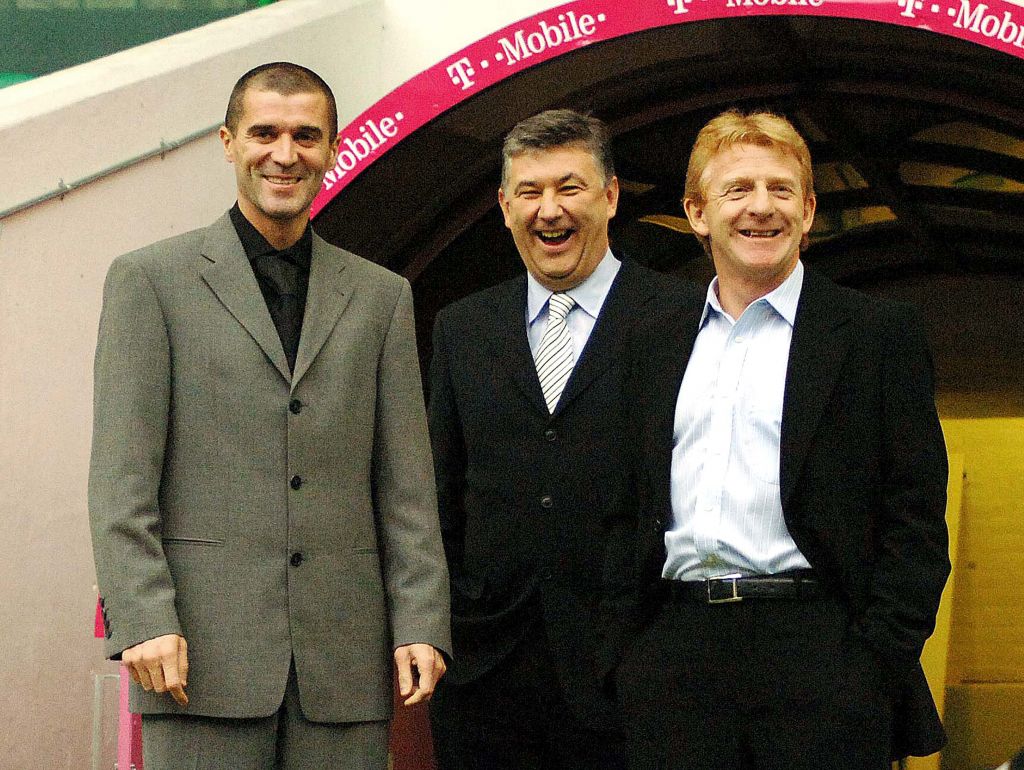
Roy Keane , manager Gordon Strachan and Chief Executive Peter Lawwell attend a press conference to announce Keane’s signing for Celtic on December 15, 2005. (Photo by Alan Peebles/Getty Images)
On at least two occasions when playing for Aberdeen, he was attacked by a Celtic fan. No-one can, of course, such hooliganism by a mentally challenged individual, but the fact remains that he was not liked for his exaggeration of injuries, his incitement of the crowd and his general mouthing about anything and nothing.
Those who opposed his appointment said “I told you so” when the team went down to Artmedia Bratislava in his first game and again when they lost to Clyde in his first game in the Scottish Cup, but by the time we won the Scottish League Cup and the Scottish League in spring 2006, he was beginning to win them round.
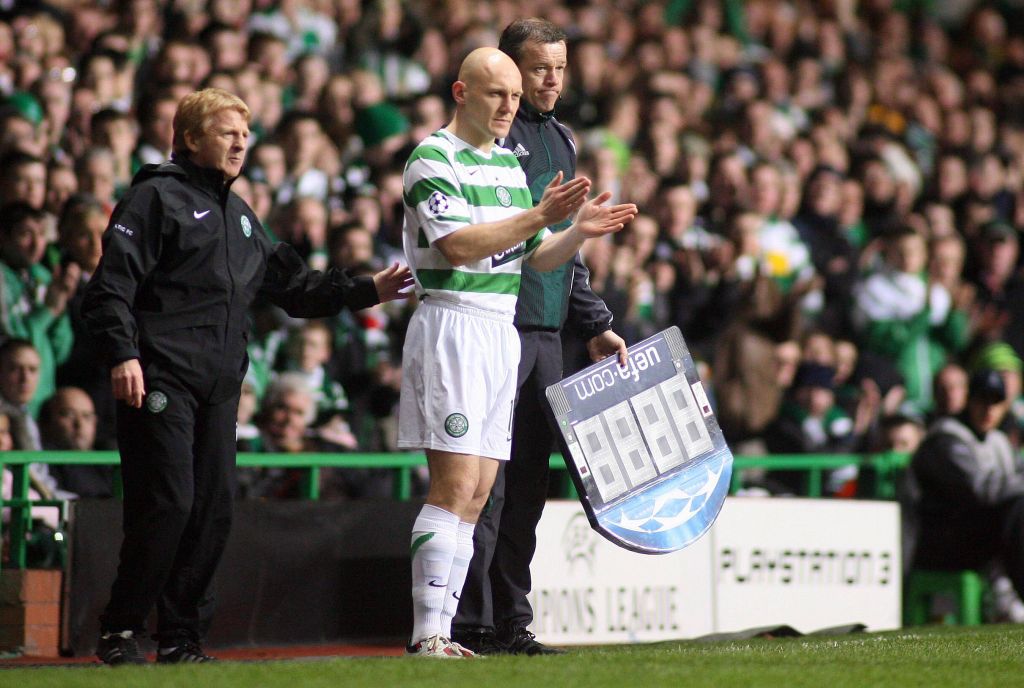
Tommy Gravesen with Gordon Strachan. Photo: imago/IPA Photo
He was Manager for four years and he won the League three seasons out of four (2008 was breathtaking resurrection after having seemed to be entirely out of it at the beginning of April), the Scottish Cup once, and the Scottish League Cup twice.
That is not a bad record, and he also had some great moments in Europe, beating Manchester United, Benfica, Shakhtar Donetsk and AC Milan, and he brought great players like Shunsuke Nakamura and Scott Brown to the club.
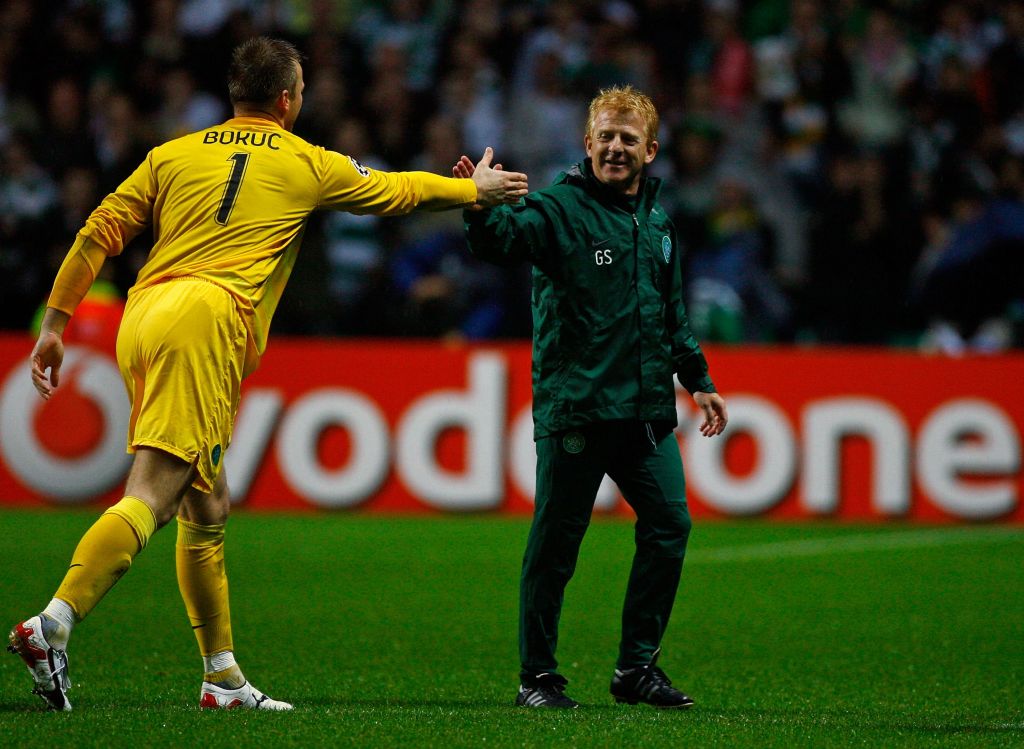
Artur Boruc of Celtic shakes hand with Gordon Strachan at the final whistle of the UEFA Champions League match between Celtic and AC Milan at Celtic Park October 3, 2007. (Photo by Jeff J Mitchell/Getty Images)
2009 was a disappointment with only the League Cup being won, and the fans turned on him when the League, which had seemed to be well within his grasp, was given away. Many of us felt that he was worth at least another year (three out of four League titles was not bad), but he possibly paid the penalty for his abrasiveness and tendency to upset too many people.
He was always kind to fans (particularly youngsters) but one feels that there were one or two in high places who tired of his constant apparently flippant attitude to life. And to an extent, he paid the price for the way he behave in his playing career.
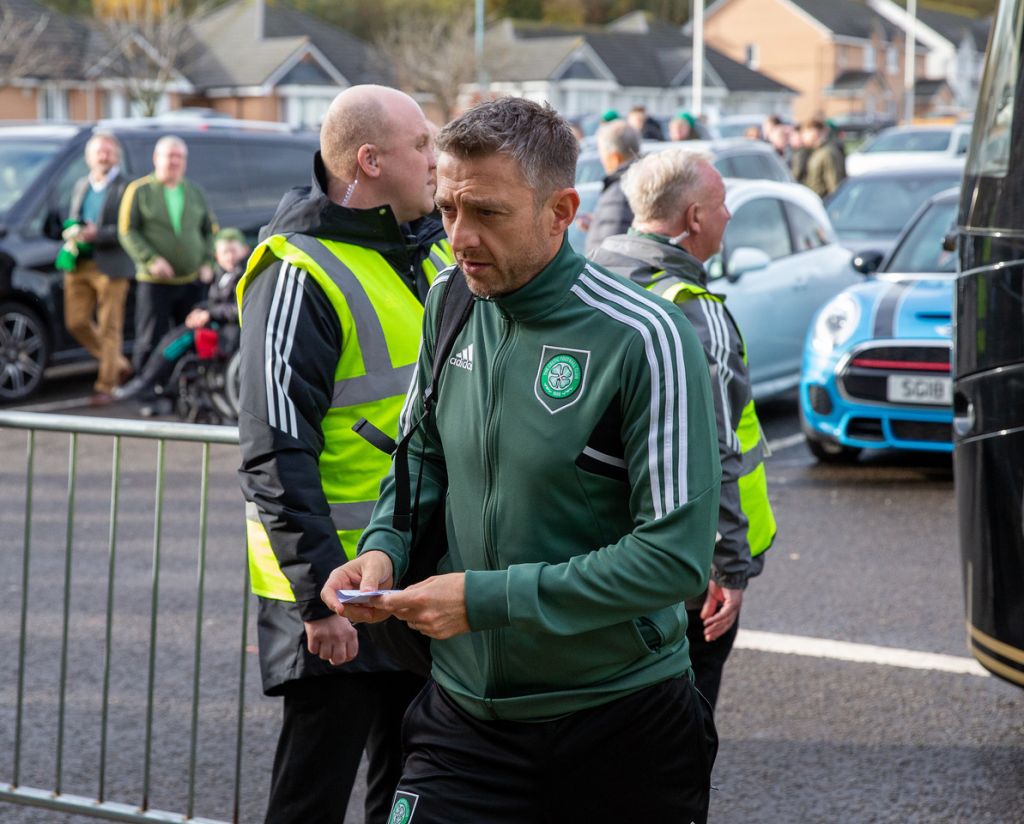
Gavin Strachan. Photo for The Celtic Star by Vagelis Georgariou
He did know the game, though, is still sympathetic to Celtic, and of course his son Gavin is on the Celtic payroll.
16. Celtic’s 16th Manager (2009-10) – The job was beyond the luckless Tony Mowbray
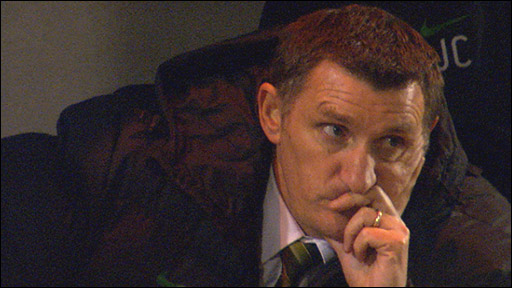
The sad tale of Tony Mowbray! Always liked him and found myself supporting Sunderland last year because of him and Paddy Roberts – and me a Newcastle supporter!…
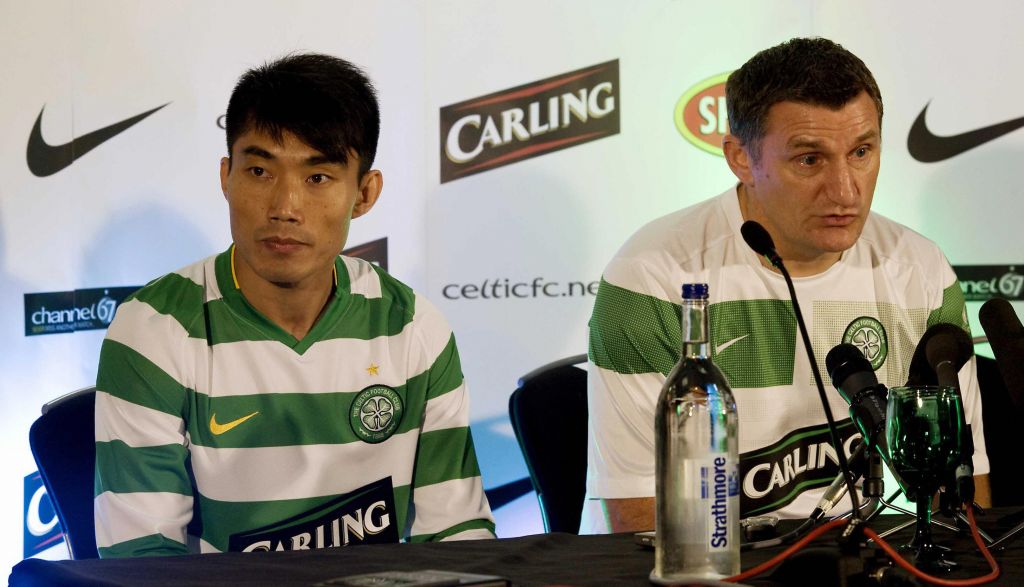
New Celtic signing China captain Zheng Zhi (L) attends a press conference with manager Tony Mowbray at Celtic Park d, on September 25, 2009. AFP PHOTO/Brian Stewart (Photo BRIAN STEWART/AFP via Getty Images)
It is sadly true that Tony Mowbray, however likeable and personable, is a very unlucky man. Indeed although one does not like to use the word “loser” with all its connotations, it is difficult to say anything else. As a player he came at the wrong time, and his only contribution was the introduction of the huddle; as a manager, it is hard to find much in his favour.
He had been a good manager of Hibs, and that is possibly where he should have remained but he moved to West Bromwich Albion whom he managed to relegate in 2009! Incredibly, Celtic then went for him to replace Gordon Strachan. Frankly, the job was beyond him, and as his season wore on, body language and a hunted look made it plain that he was struggling to cope with the abuse he was getting from the fans.
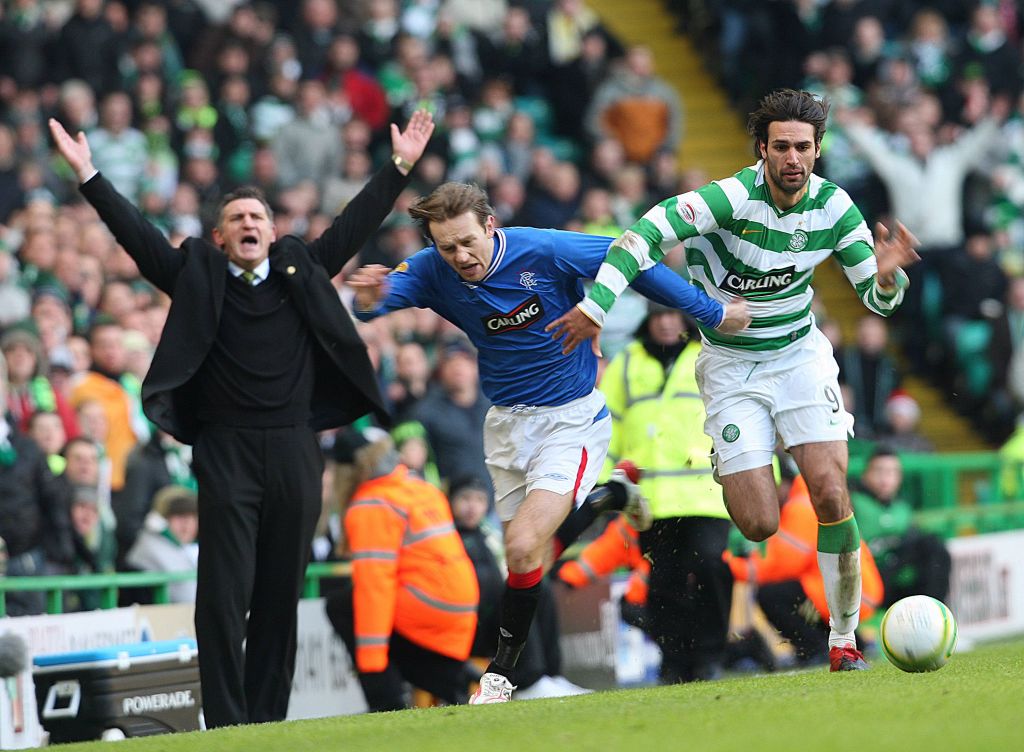
imago/Colorsport
Celtic v Rangers, Celtic Park. 3rd January 2010: Georgios Samaras with coach Tony Mowbray (Celtic)
The season started off badly with dismal performances in Europe, a defeat to Hearts in the League Cup and the fans getting restive. Then a dreadful game at Tannadice in which Celtic lost two goals to corner kicks in the last five minutes seemed to cause all sorts of panic, and the midwinter transfer window seemed to be used as an attempt to rebuild a team, rather than supplement.
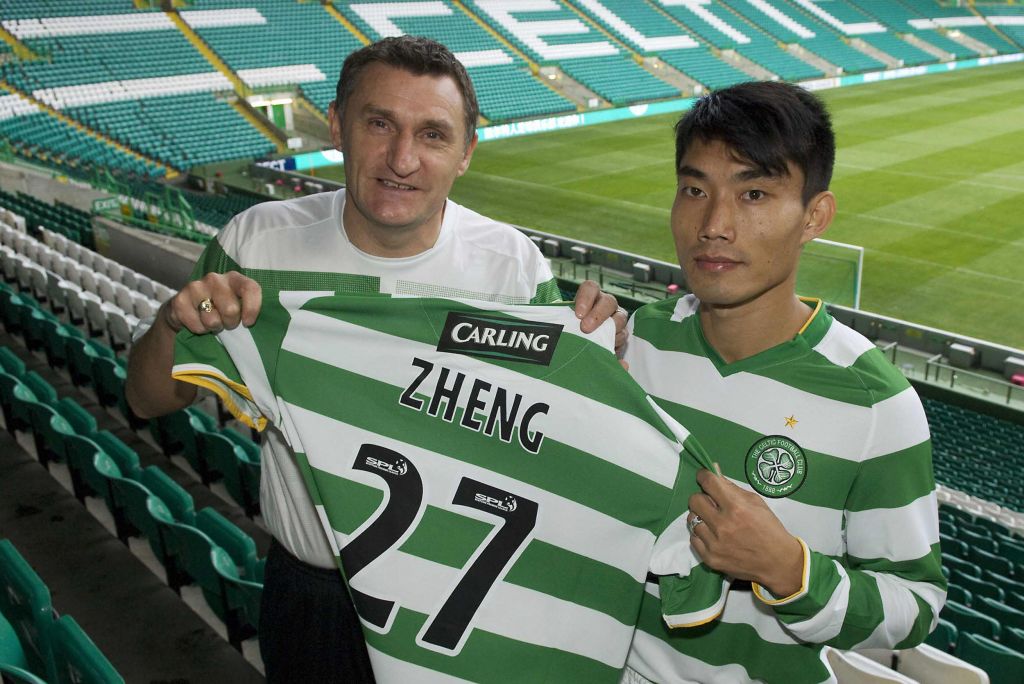
Celtic manager Tony Mowbray (L) poses with new Celtic signing China captain Zheng Zhil at Celtic Park in Glasgow, Scotland, on September 25, 2009. Photo BRIAN STEWART/AFP via Getty Images)
All sorts of foreign nonentities appeared, and although there were one or two moments of hope like the arrival of Robbie Keane and a good 3-1 win at Kilmarnock in the Scottish Cup, it was increasingly plain that so many players were simply not Celtic class.
The end came at St Mirren as Celtic lost 0-4 in a performance which frankly gave the impression that some Celtic players were not even trying, and the crowd became dangerously angry with a hostile pitch invasion at one point looking possible. No Celtic Manager can hope to survive anything like that, and to everyone’s relief including his own, Tony had to go.
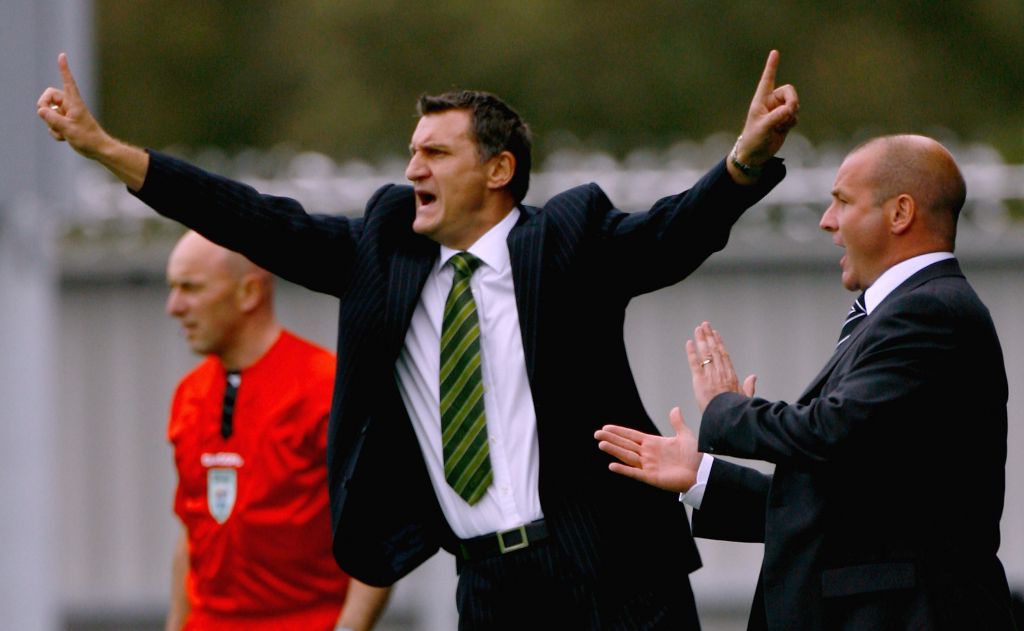
Tony Mowbray during the Scottish Premier league match between St Mirren and Celtic at St Mirren Park on 26 September, 2009. (Photo by Jeff J Mitchell/Getty Images)
But the players must take some of the blame. On the night of the St Mirren disaster, Rangers had exited the Scottish Cup to Dundee United, leaving Celtic with a reasonable of chance of winning the Cup to salvage some self-respect. With Mowbray now gone, and Neil Lennon in temporary charge, they managed to blow up against Ross County in the semi-final!
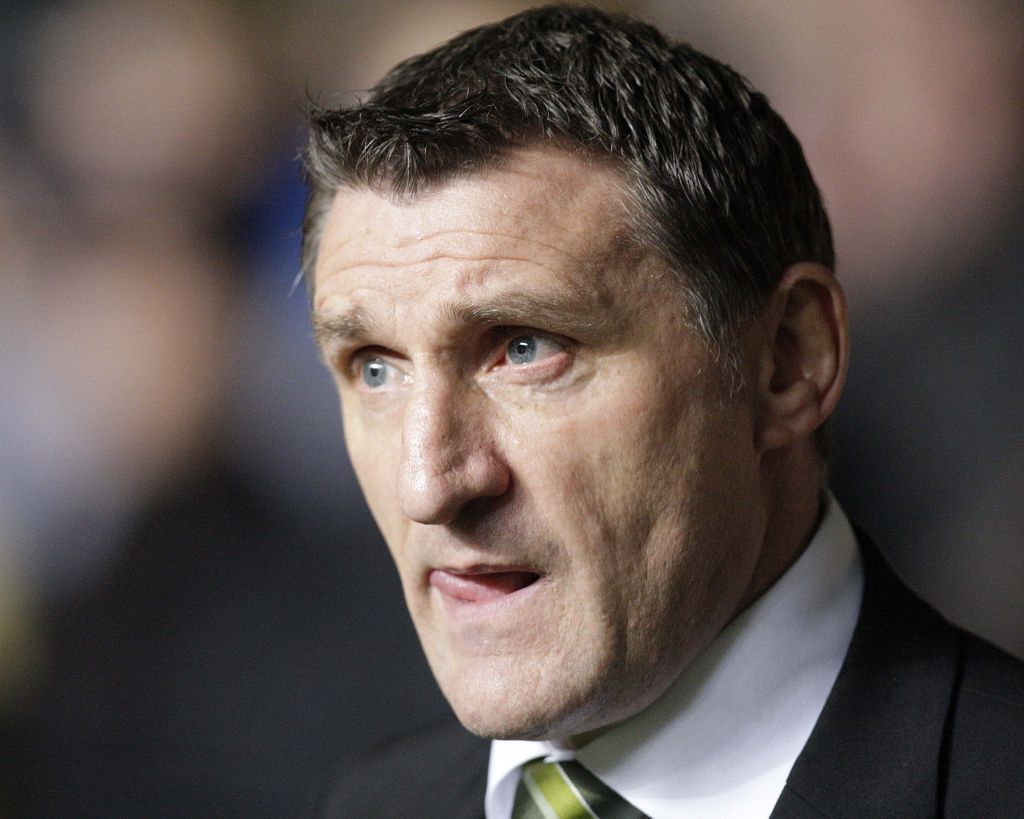
Celtic’s manager, Tony Mowbray watches his team play against Hamburg during their UEFA Europa League, Group C, football match at Celtic Park, , on October 22, 2009. Photo GRAHAM STUART/AFP via Getty Images)
Such was Mowbray’s legacy, and how it hurts to say this about a man who was whole-hearted, sincere, honest – but neither talented nor lucky.
Continued on the next page…