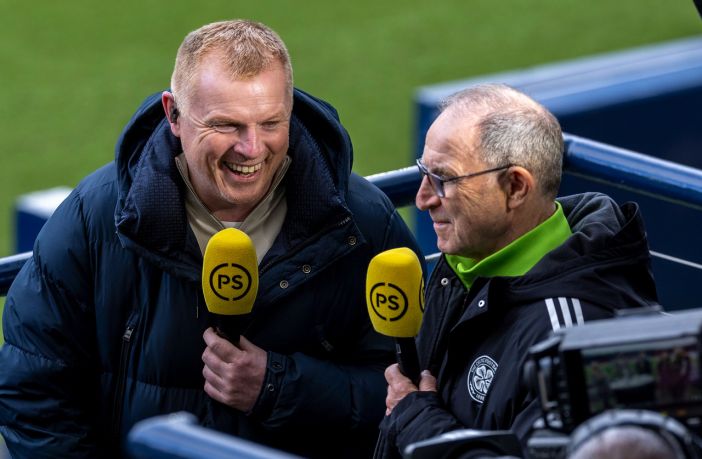
The return of Martin O’Neill to Celtic in January 2026, for a second interim spell in the same season, encapsulates one of the most chaotic campaigns in the club’s unbroken history…

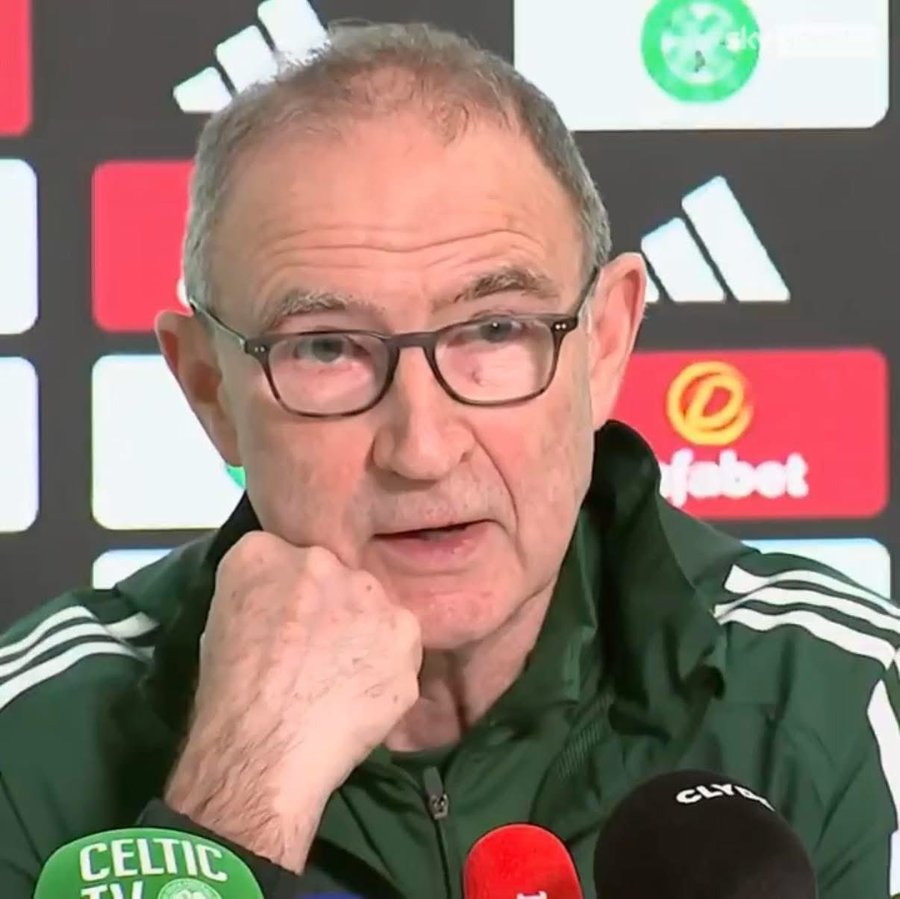
Martin O’Neill Media Conference. Photo social Media
What began as a title defence has spiralled into instability, boardroom tension and managerial upheaval—yet, paradoxically, O’Neill still has a realistic chance of delivering a Scottish Premiership and Scottish Cup double.
O’Neill’s reappointment followed the abrupt dismissal of Wilfried Nancy after just 33 days in charge, the shortest managerial tenure in Celtic history with some supporters claiming that they’d rather buy an Xbox Game Pass Premium rather than another ticket to watch Wilfried Nancy’s team in action! After losing to the Rangers at Celtic Park, the Celtic support had clearly had more than enough of Wilfried Nancy’s crazy system.

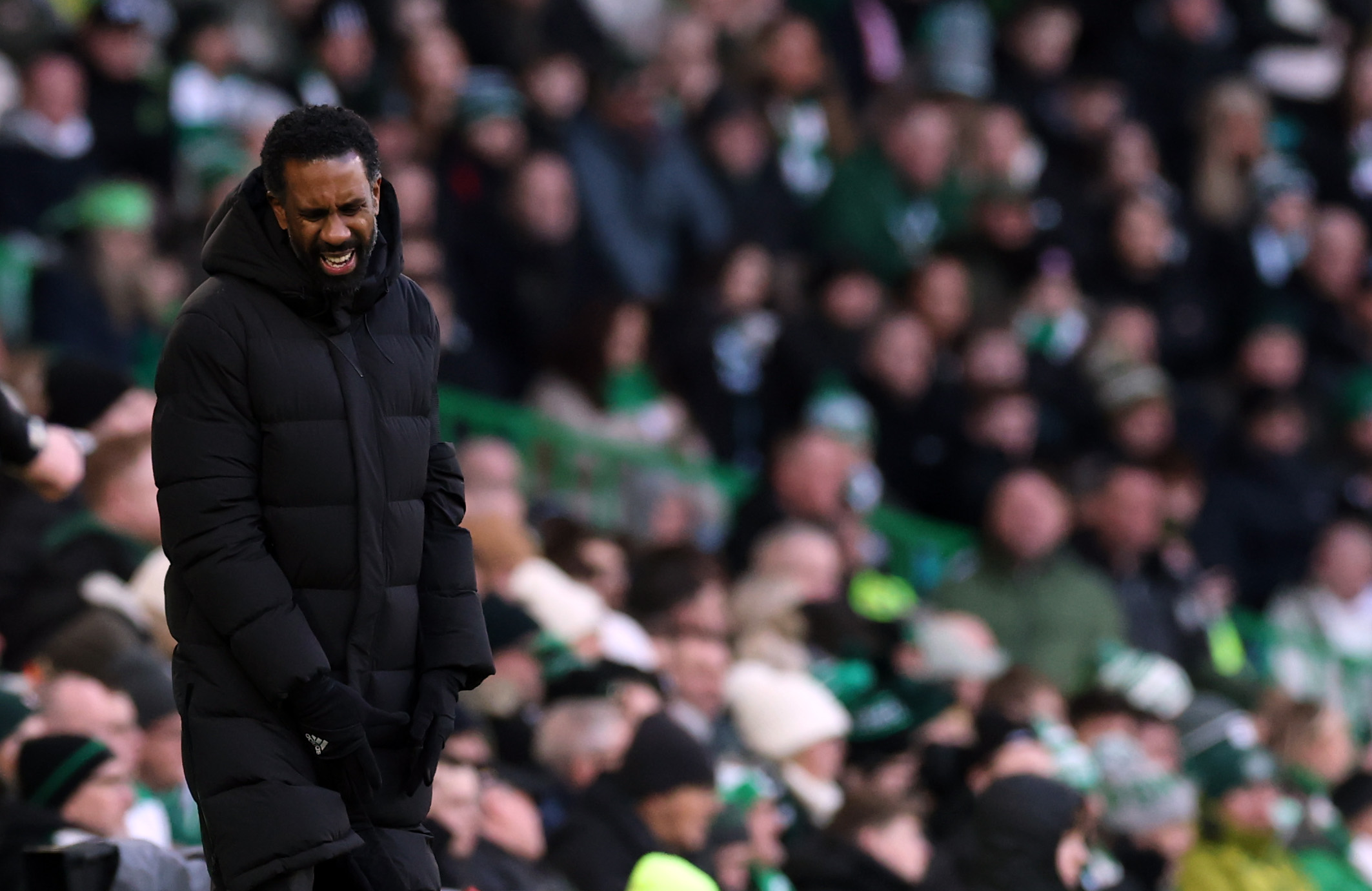
Celtic manager Wilfried Nancy reacts during the Scottish Premiership match between Celtic and theRangers at Celtic Park on January 03, 2026. (Photo by Ian MacNicol/Getty Images)
Nancy lost six of his eight matches, including a damaging Glasgow Derby defeat, leaving the club adrift in the title race and reeling from a collapse in confidence. His departure meant Martin O’Neill—who had already enjoyed a successful interim spell earlier in the season, winning seven of eight games—was once again tasked with salvaging the campaign.
The scale of the problems confronting O’Neill cannot be overstated. Celtic have gone through three managers in a single season, alongside changes in coaching staff and football operations. Such instability has inevitably filtered down to the pitch, where consistency has been elusive.

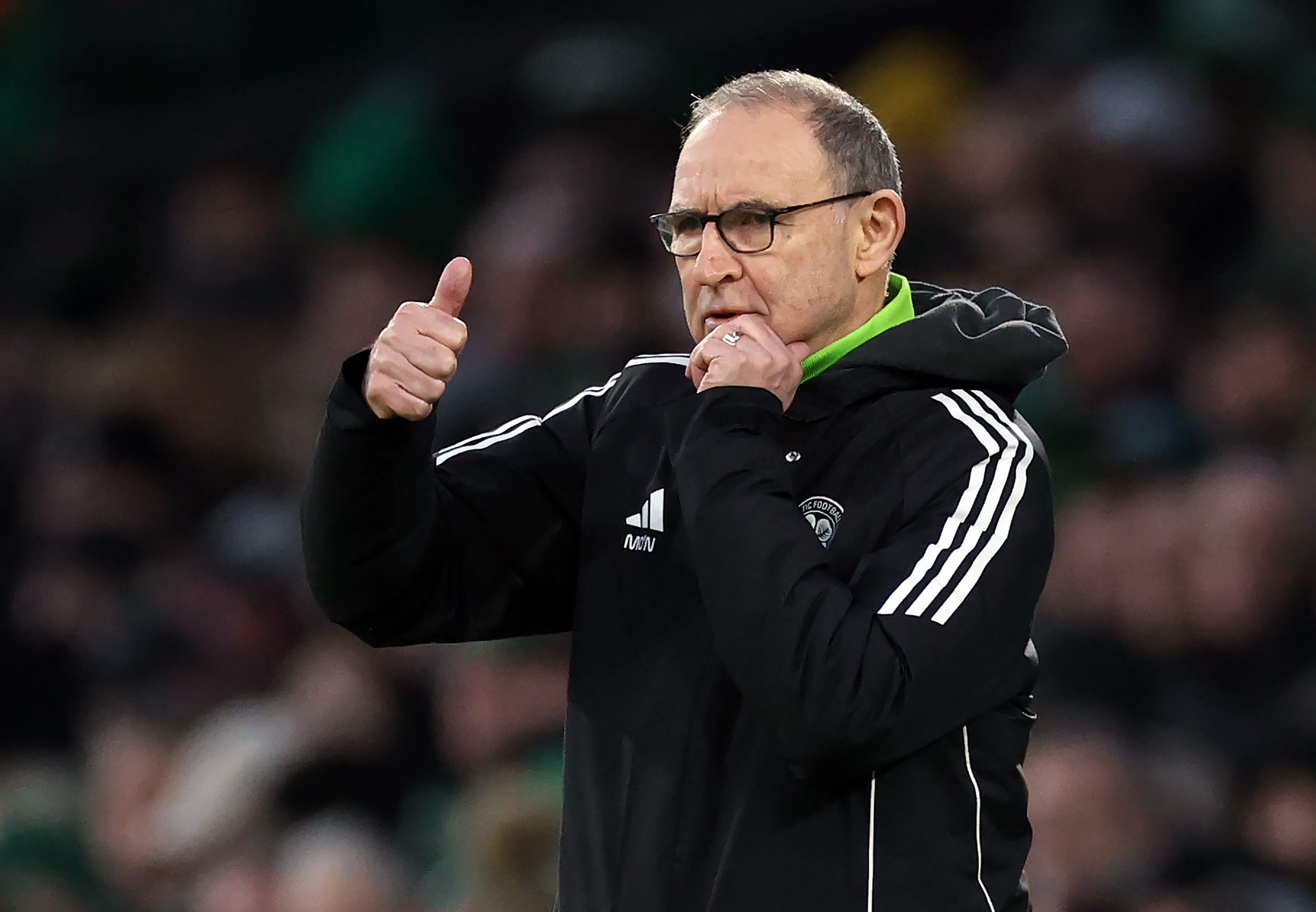
Celtic interim manager Martin O’Neill reacts during the Scottish Premiership match between Celtic and Dundee United at Celtic Park on January 10, 2026. (Photo by Ian MacNicol/Getty Images)
Off the field, tensions between supporters and the club’s hierarchy have intensified. O’Neill himself has publicly called for a “truce” between fans and the board, highlighting how internal divisions have created a toxic backdrop to on-field struggles. This disconnect has eroded the unity that traditionally underpins Celtic’s success, making O’Neill’s role as much about man-management and diplomacy as tactics.
On the football side, O’Neill has inherited a squad lacking balance and confidence. Recruitment under Michael Nicholson and the self titled Football Doctor Paul Tisdale was an absolute mess. The previous regime has been criticised, with several players failing to adapt quickly enough to changing tactical demands. The sheer number of players used this season—far exceeding historical norms—illustrates the lack of continuity.

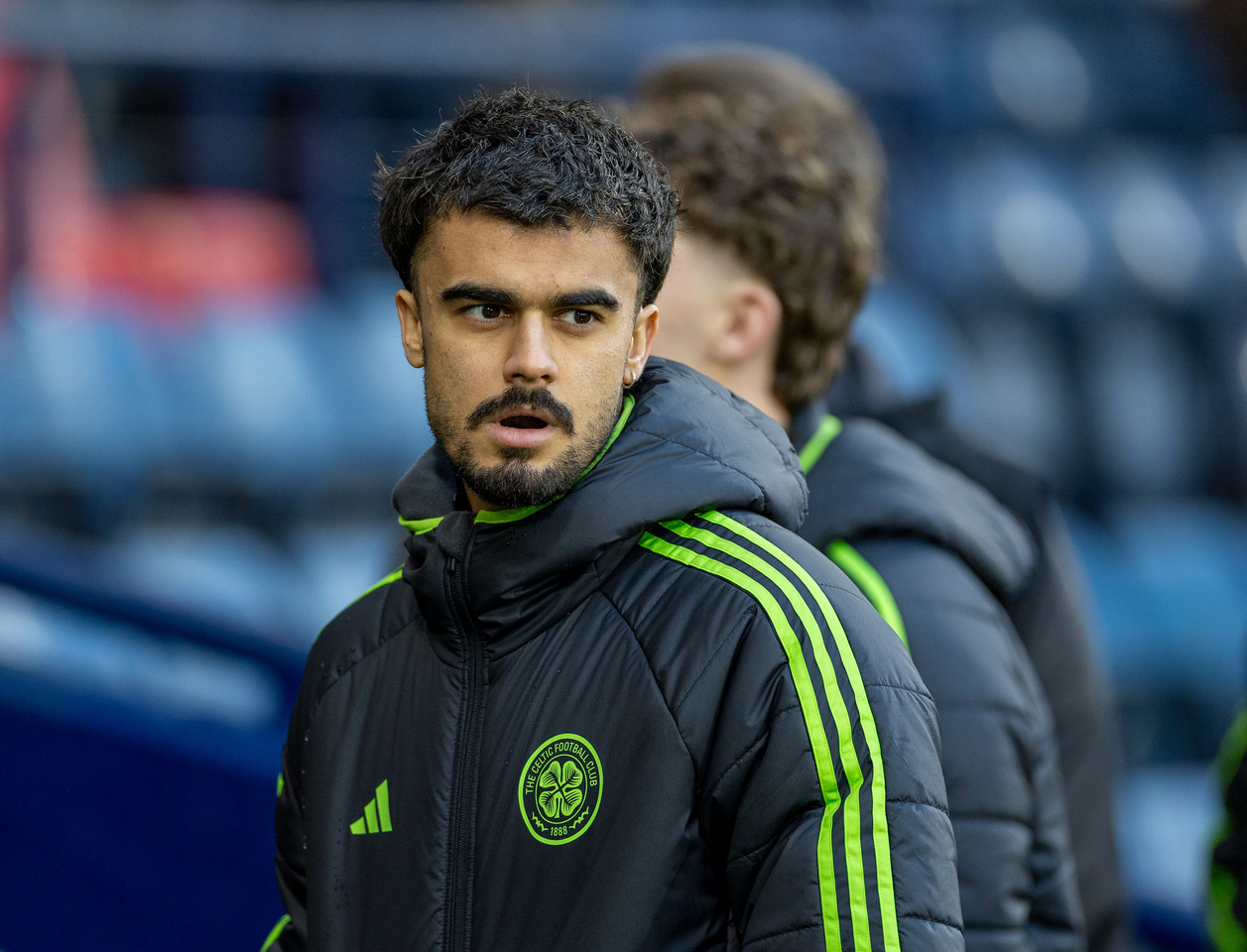
Jota at the Premier Sports Cup Final. 14 December 2025. St Mirren v Celtic. Photo Vagelis Georgariou (The Celtic Star)
Injuries have compounded the issue, depriving O’Neill of stability in key positions and forcing constant reshuffling. Long term injuries to Jota, Cameron Carter-Vickers and Alistair Johnston meant that during his two spells back at Celtic, O’Neill hasn’t been able to play these three guaranteed starters.

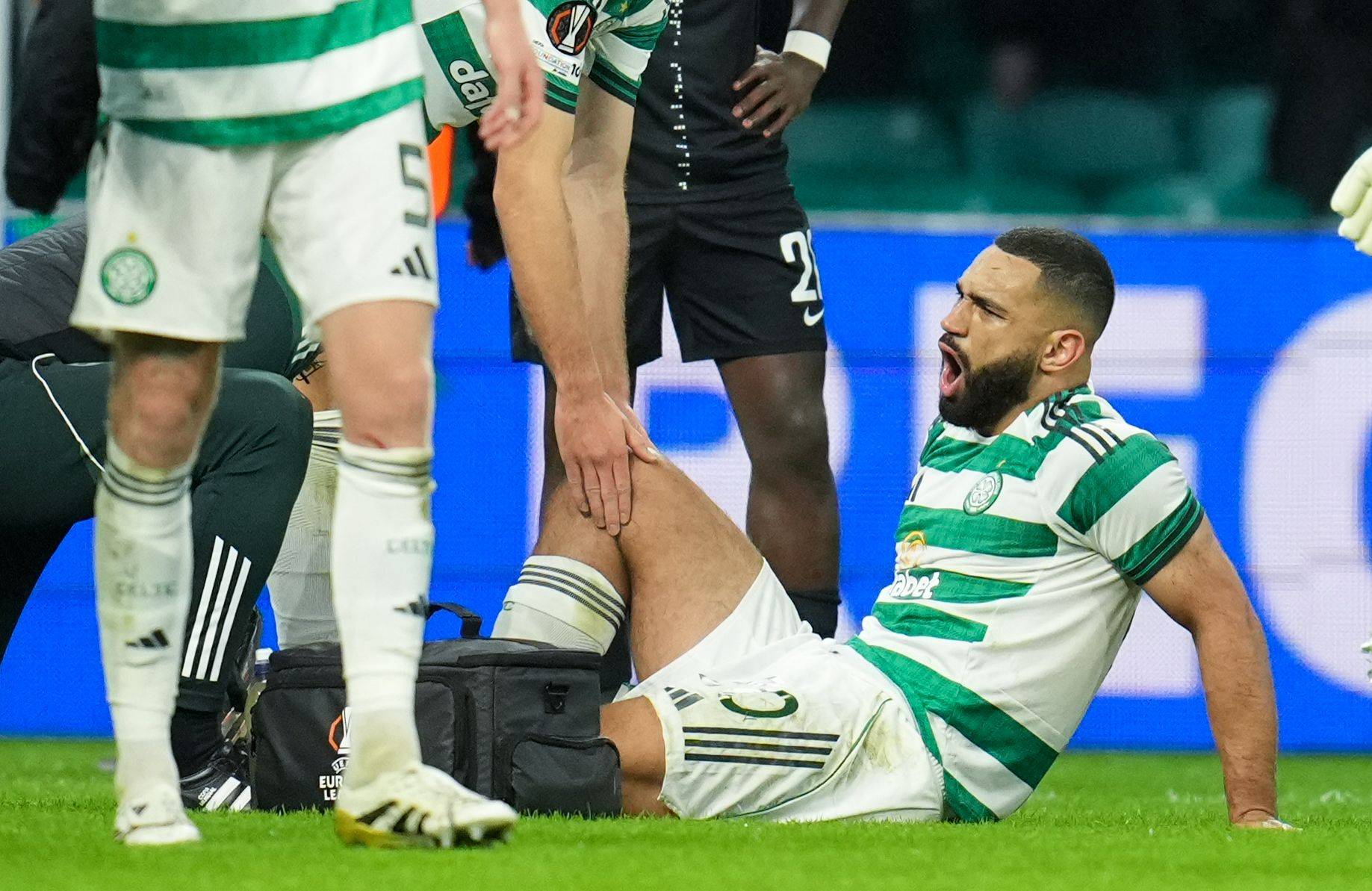
Cameron Carter-Vickers of Celtic on the ground with suspected injury at full-time. Final score Celtic 2 Sturm Graz 1. Celtic v Sturm Graz, UEFA Europa League, Group Stage, Celtic Park, 23 October 2025. Photo Stuart Wallace IMAGO/Shutterstock
At the same time, the psychological damage inflicted during Nancy’s brief tenure—particularly a run of heavy defeats and a cup final loss—has required careful rebuilding of belief.
Celtic’s domestic rivals have taken advantage of the turmoil. A gap to league leaders opened during Nancy’s disastrous spell, leaving O’Neill with little margin for error in the second half of the season. Every dropped point carries significant weight, and the pressure of expectation remains immense.
Complicating matters further is the looming uncertainty over the club’s long-term managerial appointment. With speculation linking various candidates to the role, O’Neill must maintain focus within a dressing room aware that change is inevitable in the summer. The incoming Celtic manager will have a huge rebuild on his hands as a record number of exits can be expected at the end of this most turbulent of seasons for Celtic.

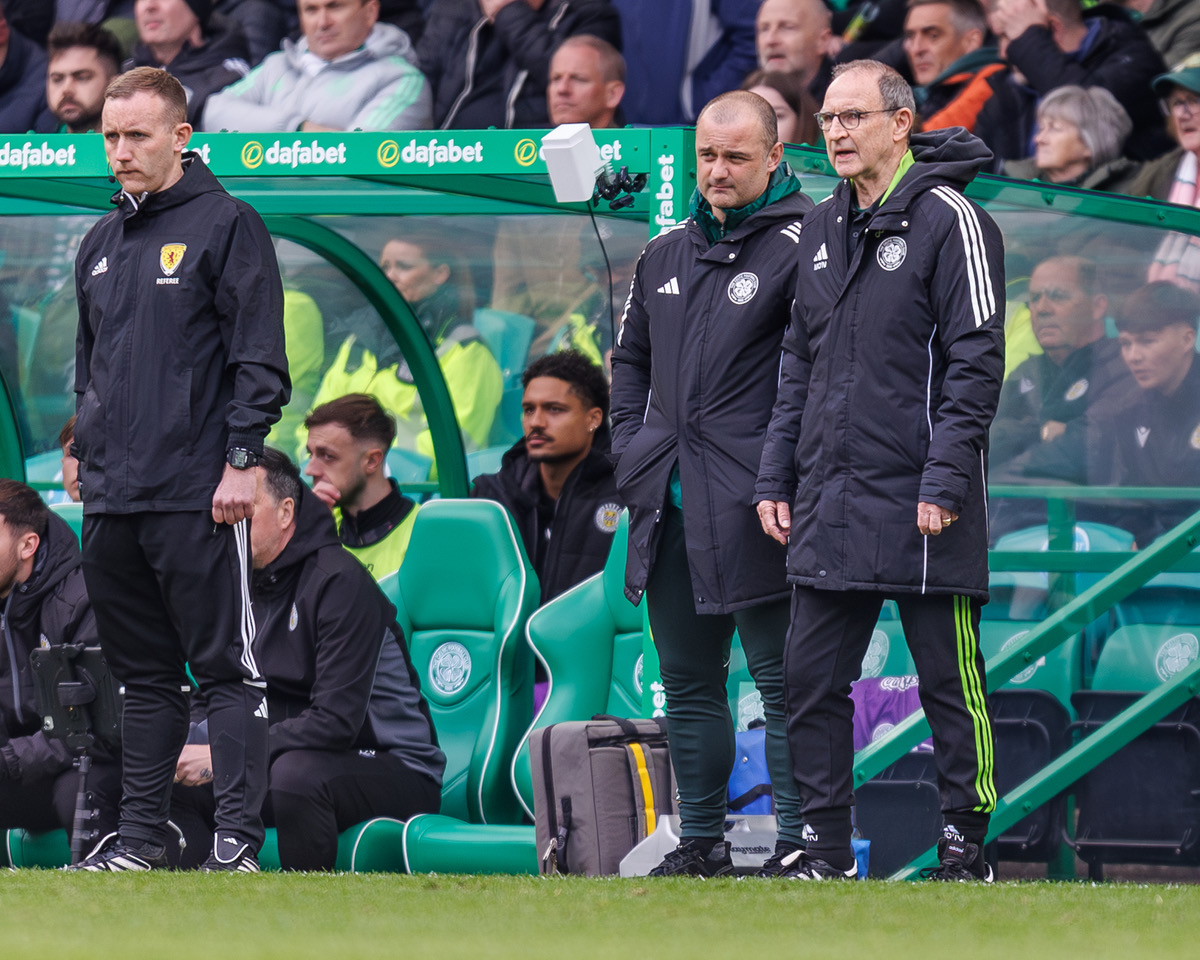
Celtic Manager Martin O’Neill reacts during the Scottish Premiership between Celtic and St. Mirren at Celtic Park on April 11, 2026. (Photo by WM Sport Media/Getty Images)
Despite the adversity, there are tangible reasons to believe O’Neill can still deliver silverware. His earlier interim spell demonstrated his enduring ability to organise the team, simplify tactics and restore confidence quickly. Players responded to his leadership, producing a run of results that briefly revitalised the title challenge.
Crucially, the Scottish Cup offers a more controllable pathway to success. Knockout football can reward experience and pragmatism—qualities synonymous with O’Neill’s managerial style. If Celtic can build momentum in the league, that form could perhaps translate into cup final success and a most unlikely double delight. St Mirren have to be overcome in the Scottish Cup semi-final giving O’Neill the chance to extract some revenge for the Premier Sports Cup Final thrashing under Nancy back in December.
Moreover, O’Neill’s deep understanding of the club’s culture remains a significant asset. In times of crisis, familiarity and authority can stabilise an environment that has otherwise lacked direction.
Martin O’Neill’s second interim spell is less about long-term vision and more about firefighting—steadying a club that has lurched from one crisis to another. The obstacles are considerable: a fractured fanbase, inconsistent squad, and a league deficit that leaves little room for recovery.

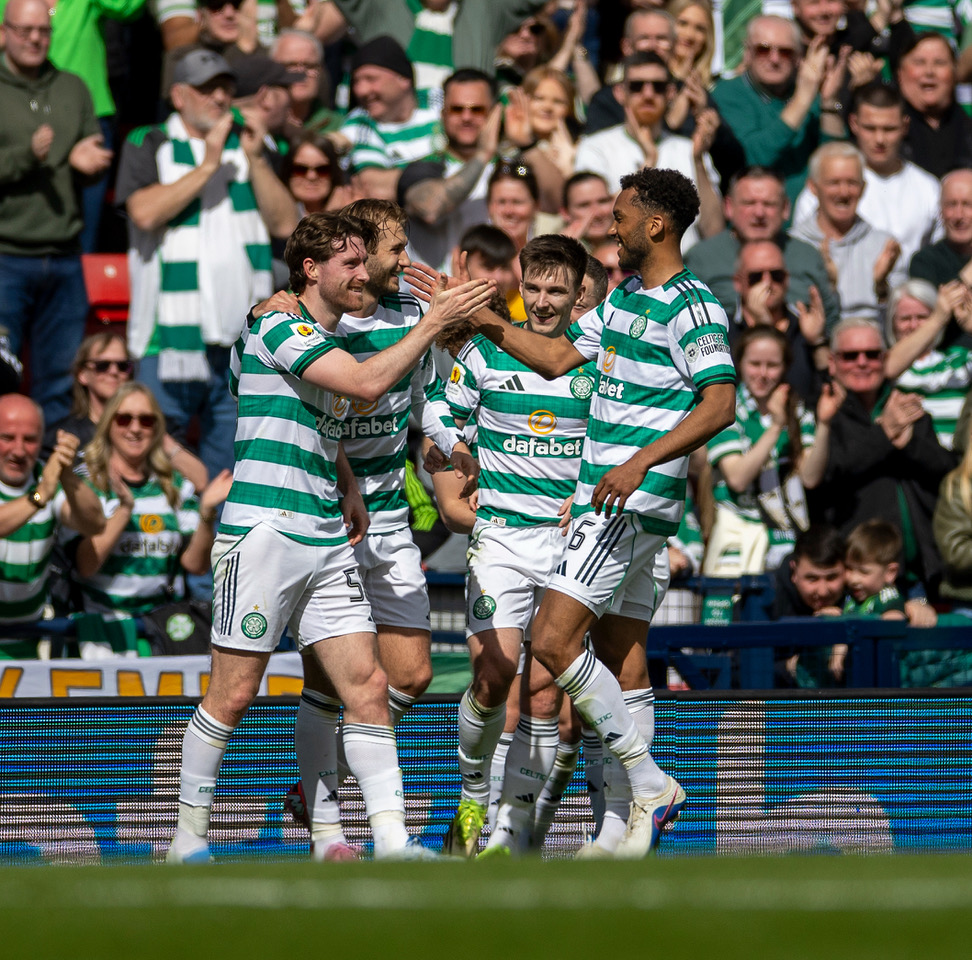
Anthony Ralston celebrates during Celtic’s 6-2 Scottish Cup semi-final win over St Mirren at Hampden on Sunday 19 April 2026. Photograph by Vagelis Georgariou
Yet football often defies logic. If O’Neill can re-establish unity, restore confidence and grind out results, a domestic double—once unthinkable amid the chaos—remains within reach.
Yesterday afternoon at Hampden Park Celtic defeated St Mirren 6-2 (AET) to secure a place in the Scottish Cup Final against Championship side Dunfermline on Saturday 23 May, so the unlikely double dream remains alive and well and once significant step closer.

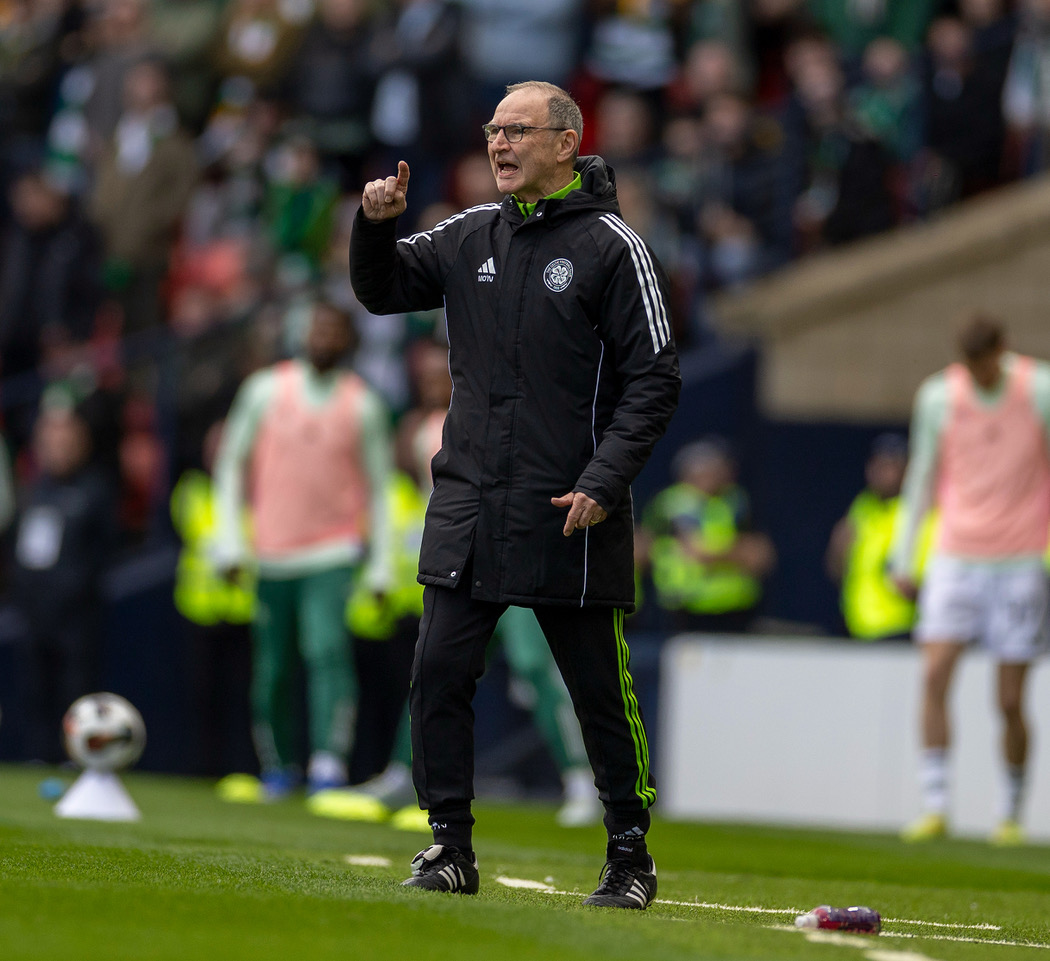
Martin O’Neill during Celtic’s 6-2 Scottish Cup semi-final win over St Mirren at Hampden on Sunday 19 April 2026. Photograph by Vagelis Georgariou
Achieving it would not only salvage Celtic’s season but also stand as one of the most remarkable rescue acts in the club’s 21st-century history. Martin O’Neill was already a Celtic legend before answering two SOS calls from Dermot Desmond this season. If he wins the double the Irish billionaire should personally fund a statue of O’Neill on The Celtic Way.